
7 Payday Loan Alternatives for Short Term Cash
Discover 7 safer payday loan alternatives for short term cash, including credit union PALs, installment loans, and 0% APR cards.

By Henry Sullivan
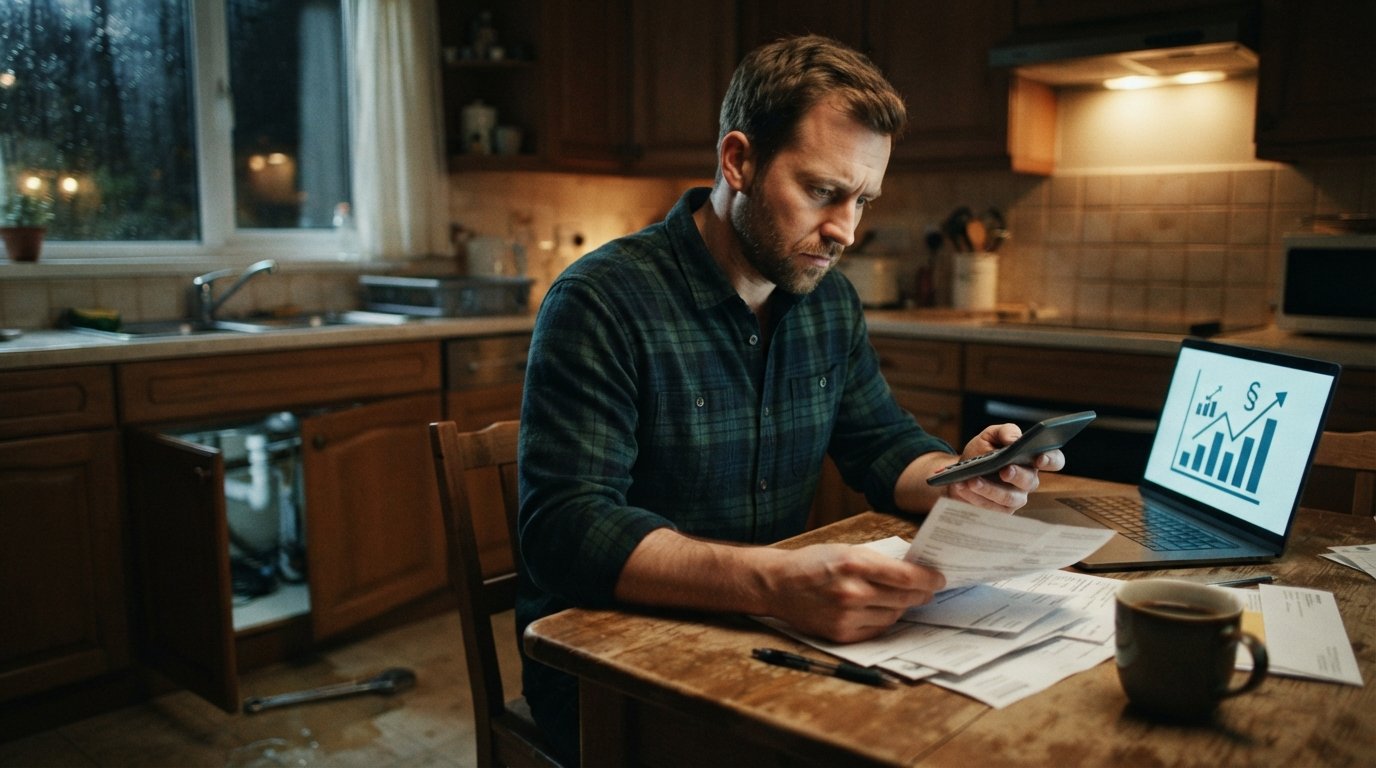
When an unexpected expense lands in your lap, from a broken water heater to a medical bill, the clock starts ticking. You need cash quickly, and the easiest path often looks like a payday loan. Yet, that ease comes at a steep price, with annual percentage rates (APRs) that can soar past 400%. Before you walk into a storefront lender or click on a flashy online ad, it is worth knowing that you have safer, more affordable payday loan alternatives for short term cash. This guide walks you through practical options that can get you the funds you need without trapping you in a cycle of debt.
The goal is simple: help you compare costs, understand risks, and choose a path that protects your financial health. Whether you have excellent credit, bad credit, or something in between, there is likely a solution that fits your situation better than a traditional payday advance. Let us explore those options in detail, starting with the most accessible ones.
Why Traditional Payday Loans Are So Dangerous
Payday loans are designed to be quick and convenient. You write a post-dated check or authorize a debit, receive cash on the spot, and repay it on your next payday, usually within two to four weeks. The problem is the cost. A typical payday loan charges $15 to $30 per $100 borrowed, which translates to an APR of 391% to 521% for a two-week loan. That means borrowing $500 could cost you $575 or more in just a few weeks.
The bigger danger is the rollover trap. If you cannot repay the loan on time, many lenders allow you to pay just the fee to extend the due date. This can turn a small emergency loan into a long-term financial burden. According to the Consumer Financial Protection Bureau, over 80% of payday loans are rolled over or followed by another loan within 14 days. This cycle is why financial experts consistently warn against using payday loans unless there is absolutely no other choice.
Instead of falling into that trap, consider these alternatives. They may take a little more time or require some paperwork, but they can save you hundreds of dollars and protect your credit score.
1. Credit Union Payday Alternative Loans (PALs)
Credit unions are not-for-profit financial cooperatives that often offer small-dollar loans to their members at much lower rates than payday lenders. The National Credit Union Administration (NCUA) created the Payday Alternative Loan (PAL) program specifically to compete with payday loans. These loans are available in amounts from $200 to $1,000, with terms of one to six months, and the APR is capped at 28%. That is a fraction of what a payday lender charges.
To qualify, you generally need to be a member of the credit union for at least one month, though some have shorter requirements. Membership is often open to people who live, work, or worship in a certain community, or who belong to a specific employer or organization. Many credit unions also offer financial counseling as part of the PAL process, which can help you address the root causes of your cash shortfall.
The application process is straightforward: you apply in person or online, provide proof of income and identity, and receive a decision quickly. If approved, funds are typically deposited into your account within a day or two. Some credit unions even offer a second-tier PAL, known as PAL II, which allows loans up to $2,000 with a longer repayment period. Check with your local credit union to see what they offer.
2. Personal Installment Loans from Online Lenders
Another strong alternative is a personal installment loan from an online lender or a traditional bank. These loans are repaid in fixed monthly payments over a set period, usually 12 to 60 months. Because the repayment period is longer, the monthly payment is more manageable than a single lump-sum payday repayment. More importantly, APRs on personal loans typically range from 6% to 36%, depending on your credit profile. Even if you have bad credit, you can often find lenders that specialize in subprime borrowers with rates around 36%, which is still far better than a payday loan's triple-digit APR.
Online lenders like LendingClub, Prosper, and Upstart offer pre-qualification tools that let you check your rate without a hard credit inquiry. This means you can shop around and see your potential monthly payment and total cost without any impact on your credit score. The application process usually takes about 10 minutes, and if approved, you can have funds in your bank account as soon as the next business day.
For example, let us say you need $1,000. A payday loan with a $15 per $100 fee would cost you $1,150 in two weeks. A 12-month installment loan at 28% APR would cost you about $96 per month, for a total of $1,156. Over the course of a year, that is nearly the same total cost, but you have 12 months to pay instead of two weeks. The monthly pressure is dramatically lower, and you are building a positive payment history.
If you have a less-than-perfect credit score, do not worry. Many online lenders consider factors beyond your FICO score, such as your income, employment history, and education. Some even allow you to apply with a co-signer to get a better rate. The key is to compare multiple offers and read the fine print.
3. 0% APR Credit Card Cash Advances
If you already have a credit card, or you qualify for a new one, a 0% APR cash advance can be a low-cost way to cover an emergency. Many credit cards offer a promotional period of 12 to 18 months with 0% APR on purchases and sometimes on balance transfers. However, cash advances are a different story. Most cards charge a cash advance fee (typically 3% to 5% of the amount) and a higher APR for cash advances, which is often around 25% or more. But some cards do offer 0% APR on cash advances for an introductory period, especially for new cardholders.
To find such a card, look for offers that specifically mention "0% introductory APR on cash advances" or "0% on checks." These offers are less common than 0% on purchases, but they do exist. If you have good credit, you might qualify for a card like the Chase Freedom Flex or the Discover it Cash Back, which occasionally run promotions that include cash advances. Even if you pay a 3% fee, that is a one-time cost, and if you pay the balance off before the promo ends, you pay zero interest.
The strategy is simple: use the cash advance to cover your emergency, then pay it off as aggressively as possible during the promotional period. This approach gives you breathing room without the high cost of a payday loan. Just be careful to read the terms, as some cards retroactively charge interest if you do not pay the balance in full by the end of the promo period.
4. Borrowing from Friends or Family
Asking loved ones for money can feel awkward, but it is often the most cost-effective solution. A loan from a family member or friend can be interest-free or carry a minimal interest rate. The key is to treat it like a formal transaction to avoid damaging the relationship. Write a simple agreement that outlines the loan amount, repayment schedule, and any interest you agree to pay. This protects both parties and shows that you are serious about repaying.
Before you ask, have a clear repayment plan. Calculate how much you can realistically set aside each month, and propose a timeline. For instance, if you borrow $1,000 and can afford $200 per month, you can commit to paying it back in five months. This shows your lender that you have thought it through and are not just looking for a handout.
One advantage of borrowing from family is flexibility. If you hit a rough patch, you can often renegotiate the terms, something a payday lender will never allow. To make it official, you can find free loan agreement templates online, or even use a service like ZimpleMoney to formalize the arrangement with automatic payments. This approach can save you hundreds of dollars in fees and interest.
5. Side Hustles and Selling Unused Items
If your cash need is not urgent enough to require a loan, consider generating the money yourself. Selling unused items around your house can be surprisingly profitable. Platforms like eBay, Facebook Marketplace, and Craigslist allow you to list items for free and reach a large audience. Electronics, furniture, clothing, and even collectibles can bring in significant cash. A quick audit of your closet and garage could yield $300 to $500 or more.
For a faster turnaround, you can take items to a pawn shop, but be careful. Pawn shops typically pay only 40% to 60% of an item's resale value. If you have valuable jewelry or tools, you might get a better price by selling directly to a buyer or on a consignment shop. Another option is to take on a short-term side hustle. Delivery driving, dog walking, tutoring, or freelance work on platforms like Upwork or Fiverr can bring in cash within a week. Even 10 hours of work at $15 per hour gives you $150, which can cover a small emergency.
This approach has the added benefit of not increasing your debt. It also gives you a sense of control and accomplishment. While it may not be feasible for a $5,000 emergency, it is a great option for smaller needs under $500.
6. Negotiating with Creditors or Service Providers
Before you borrow, try to negotiate the bill that caused the emergency. Many medical providers offer financial assistance or payment plans with zero interest. If you receive a surprise medical bill, call the billing department and ask for a discount or a payment plan. Hospitals often have charity care programs that can reduce or eliminate your bill if you meet income guidelines. Utility companies also have hardship programs that can defer payment for a month or two.
For other bills, like credit card payments or rent, reach out to your creditor before you miss a payment. Many companies are willing to work with you if you explain your situation. For instance, you can ask your credit card issuer to lower your interest rate or waive a late fee. You can also request a temporary forbearance on your car loan or student loan. These steps can free up cash in your monthly budget to cover the emergency without taking on new debt.
If you have a medical bill, ask about a prompt-pay discount. Many providers give 10% to 20% off if you pay in full within 30 days. If you cannot pay in full, ask for a no-interest payment plan. The key is to communicate early and be honest. Creditors are often more flexible than you think.
7. Nonprofit Credit Counseling and Emergency Assistance
Nonprofit agencies offer free or low-cost financial counseling and, in some cases, direct emergency assistance. Organizations like the National Foundation for Credit Counseling (NFCC) and local community action agencies can help you create a budget, negotiate with creditors, and find local resources for rental, utility, or food assistance. Some even have small emergency loan programs or grants that do not need to be repaid.
To find help, call 211 (United Way's helpline) to be connected to local programs. You can also search for "emergency assistance" in your city or county. Many churches and community centers run benevolence funds that provide one-time grants for rent, utilities, or medical expenses. These are not loans, so there is no repayment obligation. The application process usually requires proof of income and a description of your emergency.
Another resource is the Low Income Home Energy Assistance Program (LIHEAP) for utility bills, and the Supplemental Nutrition Assistance Program (SNAP) for food. These programs free up cash in your budget for other expenses. A credit counselor can help you navigate these options and create a plan to avoid future emergencies. The counseling is often free, and it can provide peace of mind.
How to Choose the Right Alternative for Your Situation
With so many options, how do you pick the right one? Start by calculating the exact amount you need and how quickly you need it. If you need cash today, a credit union PAL or a pawn shop loan might be your only options. If you can wait two to three business days, an online installment loan or a 0% APR credit card cash advance may be better. If your need is not urgent, selling items or negotiating a payment plan could be the best route.
Next, consider your credit score. If you have good credit, a 0% APR credit card or a low-rate personal loan from a bank is ideal. If you have bad credit, a credit union PAL or a subprime installment loan is more realistic. If you have no credit, borrowing from family or using a co-signer might be necessary. Always compare the total cost of each option, including fees and interest, not just the monthly payment.
Here is a quick summary of the key factors to consider:
- Cost: Compare APRs, fees, and total repayment amount. Aim for under 36% APR.
- Time to funds: Some options provide cash in minutes, others take days. Match the speed to your need.
- Impact on credit: Some options require a hard inquiry; others do not. Choose one that aligns with your goals.
- Repayment term: Longer terms mean lower monthly payments but higher total interest. Balance the two.
Once you have chosen an option, create a repayment plan before you borrow. Set a budget that accounts for the monthly payment and stick to it. Consider setting up automatic payments to avoid late fees. If you are using a credit card cash advance, commit to paying more than the minimum to clear the balance before the promo period ends.
When You Do Not Have Other Options
If you have exhausted all the alternatives above, a payday loan may seem like the only path. In that case, use it as a last resort, and borrow only what you can repay on your next payday. Never take out a payday loan for more than you need, and never roll it over. The best way to use a payday loan is to repay it in full on time, which means you need to have a concrete plan for the money.
Before you commit, check if your state regulates payday loans. Some states have banned them outright, while others have rate caps. If you live in a state with no protections, be especially cautious. Also, consider using a loan connection service like ExpressCash, which can match you with lenders that may offer more favorable terms than a storefront payday lender. These services are free to use and can present you with multiple offers, allowing you to compare rates and terms side by side.
If you do take a payday loan, borrow from a lender that is transparent about fees and repayment terms. Avoid lenders that ask for access to your bank account for automatic withdrawals, as this can lead to overdraft fees. Instead, choose a lender that offers a repayment plan or an extension option, but be aware of the fees involved.
Finally, remember that payday loans are not a long-term solution. They are designed for short-term emergencies. If you find yourself relying on them regularly, seek credit counseling to address the underlying financial issues.
Building a Safety Net for the Future
The best way to avoid payday loans is to build an emergency fund. Financial experts recommend saving at least $500 to $1,000 for unexpected expenses. Even a small cushion can prevent you from needing a high-cost loan. Start by setting aside a small amount from each paycheck, even if it is just $20. Over time, this adds up.
In addition to saving, consider using a prepaid debit card or a separate bank account for your emergency fund. This makes it harder to spend the money on everyday expenses. Some online banks offer high-yield savings accounts with no minimum balance, so your money can earn interest while it sits.
Another strategy is to reduce your monthly expenses. Review your subscriptions, dining out, and entertainment spending. Cutting even $50 per month can give you $600 per year to put toward emergencies. You can also take on a side hustle for a few months to build your savings faster. The goal is to create a buffer that gives you choices when life throws a curveball.
In our guide on payday loans explained, costs, risks, and smarter options, we break down the true cost of these loans and offer additional strategies for avoiding them. It is a valuable resource if you want to dive deeper into the mechanics of payday lending.
As you consider your options, remember that the best payday loan alternative is the one that fits your unique situation. It might be a credit union loan, a credit card advance, or a personal loan from an online lender. It could even be a side hustle or a negotiated payment plan. The key is to take the time to compare costs and choose a path that does not create a financial hangover.
You have more power than you think. By asking questions, reading the fine print, and planning your repayment, you can navigate a cash emergency without falling into the payday loan trap. Take a deep breath, weigh your options, and choose the solution that keeps your finances on solid ground.