Why Some Lenders Reject Applications and What to Do Next


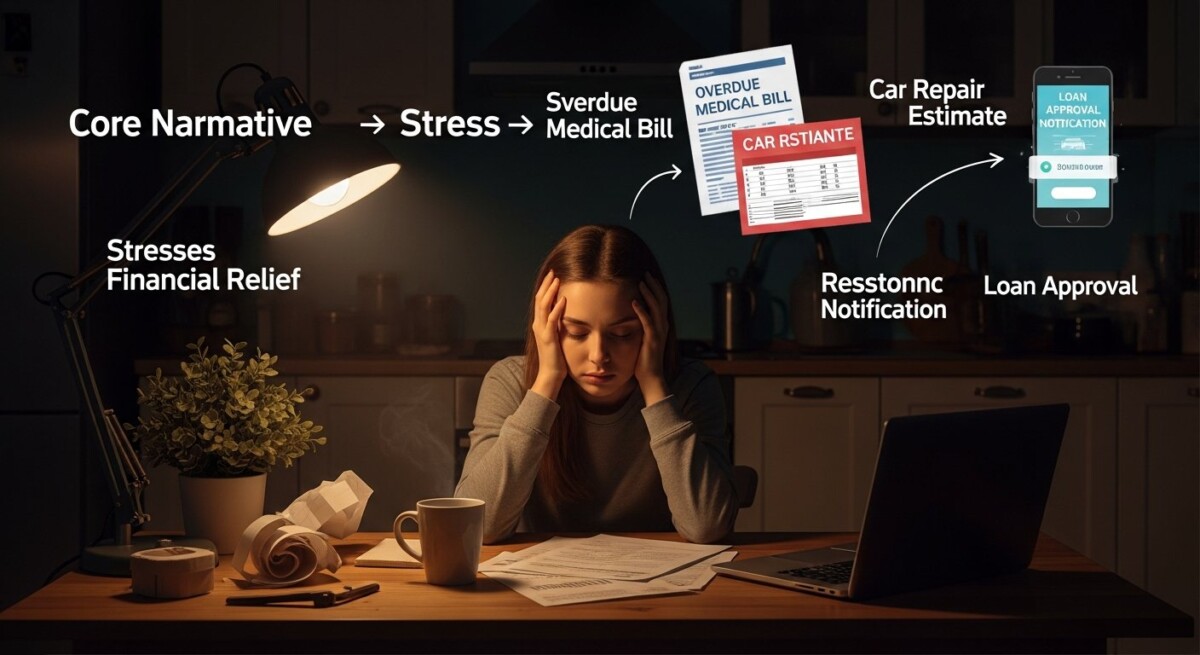
Imagine this: your car breaks down on the way to work, or a medical bill arrives that you did not expect. You need money fast, so you start searching for a short-term loan. But then you wonder,why some lenders reject applications even when borrowers seem qualified? It is a frustrating experience, especially when you are already under financial pressure. Understanding the reasons behind a rejection can help you find better options and avoid common mistakes.
Short-term loans are designed to help people cover urgent expenses between paydays. They are not long-term solutions, but they can provide quick relief when you need it most. However, lenders have specific rules they follow to decide who gets funded. Knowing these rules can save you time and stress.
Understanding Why Some Lenders Reject Applications
When you apply for a short-term loan, a lender reviews your financial situation to decide if you can repay the money on time. Rejections happen when something in your application does not match the lender’s requirements. This does not mean you are a bad person,it just means the lender sees too much risk.
Common reasons for rejection include unstable income, a low credit score, or too much existing debt. Lenders want to feel confident that you will pay them back. If your application shows signs of financial strain, they may say no. The good news is that you can often improve your chances by understanding what lenders look for and choosing the right type of loan for your situation.
What Are Short-Term Loans?
Short-term loans are small, quick loans that you repay within a few weeks or months. They are not like a mortgage or a car loan that lasts for years. Instead, they help bridge a temporary cash gap. For example, if you need $300 to fix your fridge, a short-term loan can get you that money fast.
These loans usually have higher interest rates than long-term loans because the lender takes on more risk. That is why it is important to borrow only what you need and have a clear plan to repay it. Many people use them for emergencies, but they work best when used responsibly.
When People Consider Short-Term Loans
Life is unpredictable, and expenses can pop up without warning. Short-term loans are a popular choice when you need cash quickly and do not have savings to fall back on. People often turn to them during moments of financial stress.
Here are some common situations where a short-term loan might make sense:
- Unexpected medical bills or dental expenses
- Urgent home repairs, like a broken water heater
- Car repairs needed to get to work
- A temporary cash shortage before your next paycheck
- Emergency travel for a family situation
In these moments, a short-term loan can provide a quick solution. But it is essential to compare offers and understand the repayment terms before you commit.
If you are exploring short-term loan options, comparing lenders can help you find the right solution. Request loan offers or call to review available options.
Common Types of Short-Term Loans
Not all short-term loans are the same. Different types suit different needs, and knowing the difference can help you choose wisely. Here are the most common options:
- Payday loans: Small loans due on your next payday. They are easy to get but often carry high fees.
- Installment loans: You borrow a lump sum and repay it in fixed monthly payments over several months.
- Personal cash advances: A short-term loan from a credit card or online lender, often with fast funding.
- Online short-term loans: Loans you apply for through a digital service, like LendersCashLoan, which connects you with multiple lenders.
Each type has its own pros and cons. For example, payday loans are quick but can be expensive if you roll them over. Installment loans give you more time to repay, but your monthly payment must fit your budget. Always read the fine print before signing.
How the Loan Application Process Works
Applying for a short-term loan is usually straightforward, especially with online services. You fill out a form, provide some basic information, and wait for a decision. It can take as little as a few minutes to get an answer.
Here are the typical steps in the process:
- Submit a loan request online with your personal and income details.
- Provide proof of income, such as a pay stub or bank statement.
- The lender reviews your application and checks your credit history.
- If approved, you receive loan offers with terms and conditions.
- You accept an offer, and the funds are deposited into your bank account,often the same day.
If your application is rejected, do not give up. Some lenders specialize in working with borrowers who have less-than-perfect credit. Services like LendersCashLoan can help you find lenders who may approve your request, even if others said no.
Comparing multiple lenders can help you find loan terms that match your situation. Compare loan offers or call to explore available funding options.
Factors Lenders May Consider
Lenders look at several factors to decide whether to approve your loan. Understanding these can help you prepare a stronger application. The main things they check include:
- Income verification: You need a steady source of income to show you can repay the loan.
- Employment status: Lenders prefer borrowers with stable jobs or consistent self-employment.
- Credit history: Your past borrowing behavior gives lenders an idea of how reliable you are.
- Repayment ability: They compare your income to your existing debts to see if you can handle another payment.
If you have a low credit score, you might still qualify for a short-term loan. Many lenders focus on your income rather than your credit history. However, you may face higher interest rates or smaller loan amounts.
Understanding Loan Costs and Terms
Before you accept any loan, you need to know exactly what it will cost you. Short-term loans often have higher fees than traditional loans, so it is important to read the terms carefully. The main costs include:
- Interest rates: The percentage you pay on top of the amount borrowed. Short-term loans can have annual percentage rates (APRs) that seem high, but remember, the loan is for a short period.
- Repayment periods: How long you have to pay back the loan. Some are due in two weeks, while others give you several months.
- Fees or penalties: Late payment fees, origination fees, or prepayment penalties can add up. Ask about these before you agree.
For example, a $500 payday loan with a $50 fee might seem manageable, but if you cannot repay it on time, the fees can grow. Always calculate the total cost and make sure you can afford it. Our guide on why some lenders reject applications and how to find better options explains how to avoid common pitfalls.
Loan terms can vary between lenders. Check available loan offers or call to review possible options.
Tips for Choosing the Right Loan Option
Choosing a loan is a big decision, and the right choice depends on your situation. Here are some practical tips to help you make a smart choice:
- Review repayment terms: Know exactly when and how you need to repay the loan. Avoid loans with unclear terms.
- Compare multiple lenders: Different lenders offer different rates and fees. Shopping around can save you money.
- Borrow only what you need: It is tempting to take more, but borrowing extra increases your costs and risk.
- Plan repayment carefully: Make sure the payment fits into your budget without causing more financial stress.
If you have been rejected before, do not assume all lenders will say no. Some lenders specialize in helping people with less-than-perfect credit. For more details, read our post on why some lenders reject applications and how to find better options to learn how to improve your chances.
Responsible Borrowing and Financial Planning
Short-term loans are tools,they can help you in a pinch, but they should not become a habit. Responsible borrowing means using loans only when you truly need them and paying them back on time. This protects your credit and your peace of mind.
To borrow responsibly, start by creating a simple budget. Track your income and expenses so you know where your money goes. Set aside a small emergency fund, even if it is just $50 a month, to reduce your reliance on loans. And always read the loan agreement thoroughly before signing.
Remember, a short-term loan is a temporary solution. If you find yourself needing loans often, it may be time to look at your overall financial situation. Consider speaking with a credit counselor or exploring debt management options. Your financial health matters more than any single loan.
Frequently Asked Questions
Why do lenders reject applications even when I have a job?
Having a job is important, but lenders also look at your income amount, debt levels, and credit history. If your income is too low to cover the loan payment plus your existing bills, they may see you as too risky. Also, if you have a history of late payments, that can hurt your chances.
Can I get a short-term loan with bad credit?
Yes, many short-term lenders accept borrowers with bad credit. They focus more on your income and ability to repay than on your credit score. However, you may face higher interest rates. Services like LendersCashLoan connect you with lenders who consider borrowers with less-than-perfect credit.
How quickly can I get funds after approval?
If you are approved, funds are often deposited into your bank account within one business day. Some lenders offer same-day funding if you apply early enough. The exact timing depends on the lender and your bank’s processing speed.
What happens if I cannot repay the loan on time?
If you miss a payment, you may face late fees and additional interest. Some lenders offer extensions, but that can increase the total cost. It is best to contact your lender immediately if you think you will be late,they may work out a payment plan.
Is it safe to apply for a loan online?
Yes, if you use a reputable service. Look for websites that use encryption (you will see a padlock icon in the browser bar). Avoid lenders who ask for upfront fees or pressure you to act fast. LendersCashLoan uses secure technology to protect your information.
How many lenders should I compare before choosing?
It is a good idea to compare at least three to five lenders. This helps you see the range of interest rates and terms available. Comparing offers can save you money and help you find a loan that fits your budget.
What documents do I need to apply for a short-term loan?
You typically need a valid ID, proof of income (like a pay stub or bank statement), and your bank account details. Some lenders may ask for proof of residence. Having these ready speeds up the application process.
Will applying for a loan hurt my credit score?
Some lenders perform a soft credit check, which does not affect your score. Others may do a hard inquiry, which can lower your score by a few points temporarily. You can ask the lender what type of check they perform before you apply.
Choosing the right loan starts with understanding your needs and comparing your options. Whether you are facing an unexpected bill or a short-term cash gap, take the time to review your choices carefully. Explore loan offers or call to find a solution that works for you.


About Levi Parker
Related Posts