Debt Consolidation Loans: Simplify Your Finances Now


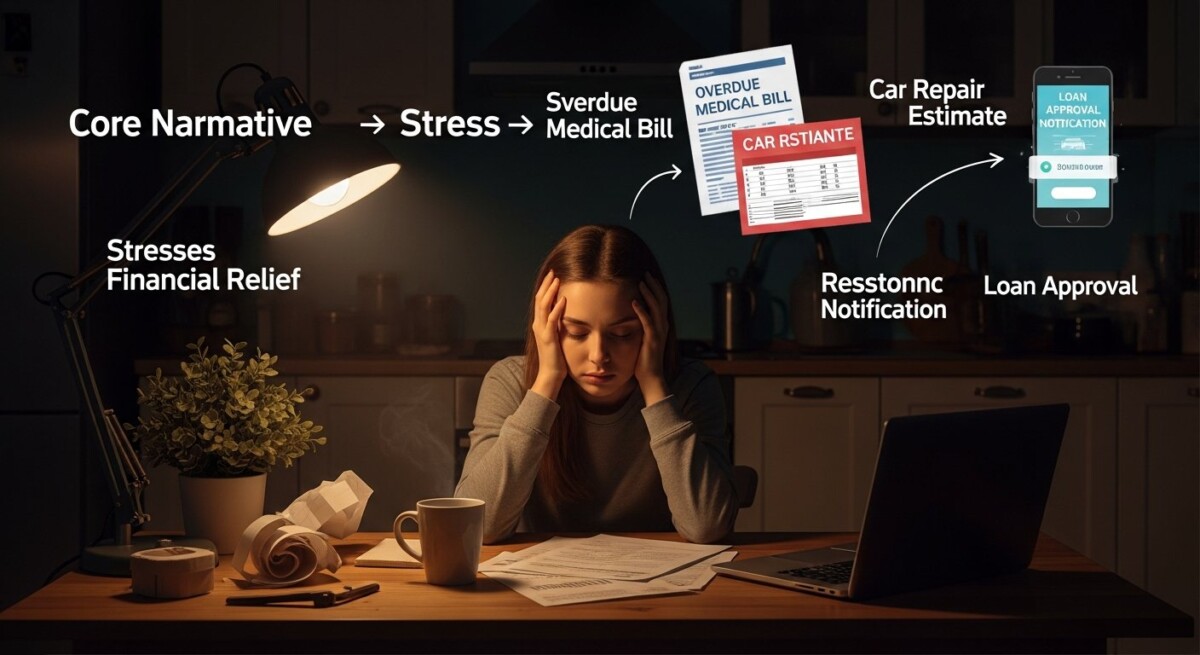
If you are juggling multiple credit card bills, medical debts, and personal loans each month, you know how overwhelming it can be to track due dates and interest rates. A single missed payment can trigger late fees and damage your credit score. Many people turn to debt consolidation loans as a way to streamline their obligations and regain control. Instead of managing five separate payments, you combine them into one monthly installment with a single lender. This approach can lower your total interest cost and reduce the stress that comes with scattered bills. For those with less-than-perfect credit, finding a reliable option is still possible through a loan connection service that matches you with potential lenders.
What Is a Debt Consolidation Loan?
A debt consolidation loan is a type of personal loan designed specifically to pay off existing debts. You borrow a lump sum, use it to clear multiple balances (credit cards, store cards, medical bills, or other loans), and then make fixed monthly payments to the new lender. The idea is to replace high-interest, variable-rate debt with a single loan that has a predictable payment schedule and a lower annual percentage rate. These loans are unsecured in most cases, meaning you do not need to put up collateral like your home or car. The loan amount, term, and rate depend on your credit profile, income, and the lender’s policies.
Because debt consolidation loans are personal loans, they differ from balance transfer credit cards or home equity loans. Balance transfers often come with a 0% introductory period but require good credit and can carry high rates after the promo ends. Home equity loans use your property as security and carry the risk of foreclosure. A personal loan for consolidation is a straightforward, fixed-term product that avoids these complications. Services like LendersCashLoan connect you with a network of third-party lenders who offer such loans, even if your credit history has blemishes.
How Debt Consolidation Loans Work
The process is simple, but understanding each step helps you make an informed decision. First, you determine the total amount of debt you want to consolidate. Add up the balances on all credit cards, collection accounts, or other high-interest loans you plan to pay off. Next, you submit a loan request for that amount through a platform like LendersCashLoan. The platform shares your request with multiple lenders in its network, allowing you to receive offers without applying to each lender individually. Once you accept an offer, the lender sends the funds directly to you or, in some cases, pays your creditors on your behalf. Then you start making one monthly payment to the new lender for the agreed term.
Lenders look at your debt-to-income ratio, employment history, and credit score when determining eligibility. Even if your score is below 650, many lenders in the network consider other factors such as steady income. The key is to borrow only what you need. Adding extra funds to the loan for unnecessary expenses can increase your debt burden. After consolidation, it is crucial to avoid running up new balances on your now-empty credit cards. Otherwise, you may end up with both the consolidation loan and fresh debt, worsening your financial situation.
Fixed vs. Variable Rates
Most debt consolidation loans offer fixed rates, meaning your interest rate stays the same for the entire term. This makes budgeting easier because your monthly payment never changes. Variable rates can start lower but may increase over time, making them riskier for consolidation. When comparing offers, prioritize fixed-rate loans to ensure predictability. LendersCashLoan helps you compare proposals from different lenders, so you can choose the one with the best fixed rate and terms.
Benefits of Consolidating Your Debt
Consolidating debt with a personal loan offers several clear advantages over continuing to juggle multiple payments. Here are the primary benefits:
- Single monthly payment: One due date, one amount, one lender to deal with. This reduces the chance of missed or late payments.
- Lower interest rate: If your credit cards carry APRs of 20% or higher, a consolidation loan at 10% to 15% can save you hundreds of dollars in interest each year.
- Fixed repayment schedule: You know exactly when the loan will be paid off, unlike revolving credit that can linger for decades if you only make minimum payments.
- Credit score improvement: Paying off credit card balances lowers your credit utilization ratio, which is a major factor in your credit score. On-time payments on the new loan also build positive history.
- Reduced financial stress: Fewer bills to manage means less mental load and fewer fees. You can focus on rebuilding your financial health.
These benefits are most effective when you commit to staying out of new debt. For example, if you consolidate $10,000 in credit card debt at 22% into a 5-year loan at 12%, your monthly payment drops from roughly $276 (minimums) to $222, and you save about $1,600 in interest over the life of the loan. The exact savings depend on your individual balances and rates. Using a debt consolidation loan options guide can help you compare offers tailored to your situation.
When Does a Debt Consolidation Loan Make Sense?
Not every financial situation benefits from consolidation. It works best for people who have good enough credit to qualify for a lower rate than their current debts, and who have the discipline to avoid taking on new debt. Common scenarios include:
High Credit Card Balances
If you carry $5,000 or more in credit card debt with APRs above 18%, a consolidation loan can provide immediate relief. The fixed payment ensures you are not stuck in a cycle of interest charges.
Multiple Monthly Payments
When you have four or five different loans or store cards, the risk of missing a payment increases. Consolidation simplifies your finances into one manageable installment.
Need for a Clear Payoff Date
Credit cards have no end date unless you stop using them. A consolidation loan gives you a predetermined term (e.g., 3 or 5 years) so you know exactly when you will be debt-free.
On the other hand, if your credit score is very low (below 580) or your debt is small (under $1,000), a consolidation loan may not be cost-effective. In those cases, consider a credit counseling program or a small personal loan. Always review the loan terms carefully, particularly the origination fee and prepayment penalty. Many lenders do not charge prepayment penalties, but it is worth confirming.
Steps to Get a Debt Consolidation Loan
Following a structured process increases your chances of approval and helps you secure favorable terms. Here is a step-by-step approach:
- Check your credit score. Obtain a free copy of your credit report from AnnualCreditReport.com. Know your score and review for errors. Dispute any inaccuracies before applying.
- Calculate your total debt. List every credit card, medical bill, and personal loan you want to consolidate. Include the balance, APR, and minimum payment for each.
- Set a realistic loan amount. Aim to borrow exactly what you need to pay off those debts. Avoid adding extra for other expenses, as it increases your monthly payment and total interest.
- Compare lenders. Use a service like LendersCashLoan to submit a single request and receive multiple offers. Compare the APR, monthly payment, loan term, and fees from each lender.
- Choose the best offer. Select the loan with the lowest APR and the term that fits your budget. Shorter terms save interest but require higher payments; longer terms lower payments but add interest.
- Complete the application. Provide the required identification, proof of income, and bank details. The lender will run a hard credit check after you accept the offer.
- Use the funds to pay off debts. Once the loan is funded, immediately pay off each creditor. Keep records of the payments for your peace of mind.
- Make on-time payments. Set up autopay or calendar reminders to ensure you never miss a payment. Consider this your only debt moving forward.
Many borrowers find that using a loan connection platform like LendersCashLoan simplifies step four because you can explore multiple debt consolidation loan options without shopping around at dozens of websites. This saves time and reduces the number of hard inquiries on your credit report, which can temporarily lower your score.
How LendersCashLoan Can Help
LendersCashLoan is not a direct lender but a digital connection service that links you with a network of third-party lenders who offer personal loans, including debt consolidation loans. The process begins with a simple online form that asks for basic information such as your state of residence, desired loan amount, and income details. Within minutes, the system shares your request with potential lenders. If a lender is interested, you receive an offer to review. You are under no obligation to accept, so you can choose the offer that best fits your needs.
The platform is designed for individuals who may have less-than-perfect credit. While no lender guarantees approval, the network includes lenders that consider factors beyond credit scores, such as stable employment and consistent income. This makes it a viable option for people who have been turned down by traditional banks. Additionally, the service provides educational resources to help you understand the loan terms and make responsible borrowing decisions. You can research debt consolidation loan options through their blog and FAQs before submitting a request.
Potential Risks and Alternatives
Debt consolidation loans are not a cure-all. If you do not change the spending habits that created the debt, you may find yourself deeper in trouble. Common risks include accumulating new credit card balances while still paying off the consolidation loan, which doubles your monthly obligations. Some lenders charge origination fees (1% to 6% of the loan amount) that increase the total cost. If your credit score is very low, you may only qualify for a high APR that does not save you money. In such cases, alternatives like a debt management plan through a nonprofit credit counseling agency or even bankruptcy should be considered.
Another alternative is a balance transfer credit card with a 0% introductory offer. This can be effective if you can pay off the balance within the promotional period (often 12 to 18 months) and if you have good credit. However, missed payments or exceeding the limit can void the 0% rate and trigger deferred interest. A personal loan remains the simpler, more predictable choice for most people.
Final Thoughts
Debt consolidation loans can be a powerful tool to simplify your finances, reduce interest costs, and accelerate your journey to being debt-free. The key is to use them as part of a broader plan that includes budgeting, reducing unnecessary expenses, and building an emergency fund. By choosing a reputable connection service like LendersCashLoan, you gain access to a variety of lenders and can compare offers without hurting your credit multiple times. Start by reviewing your current debts and completing a free loan request today. With the right approach, you can turn multiple bills into one manageable payment and regain control of your financial future.

About Liam Torres
Related Posts