
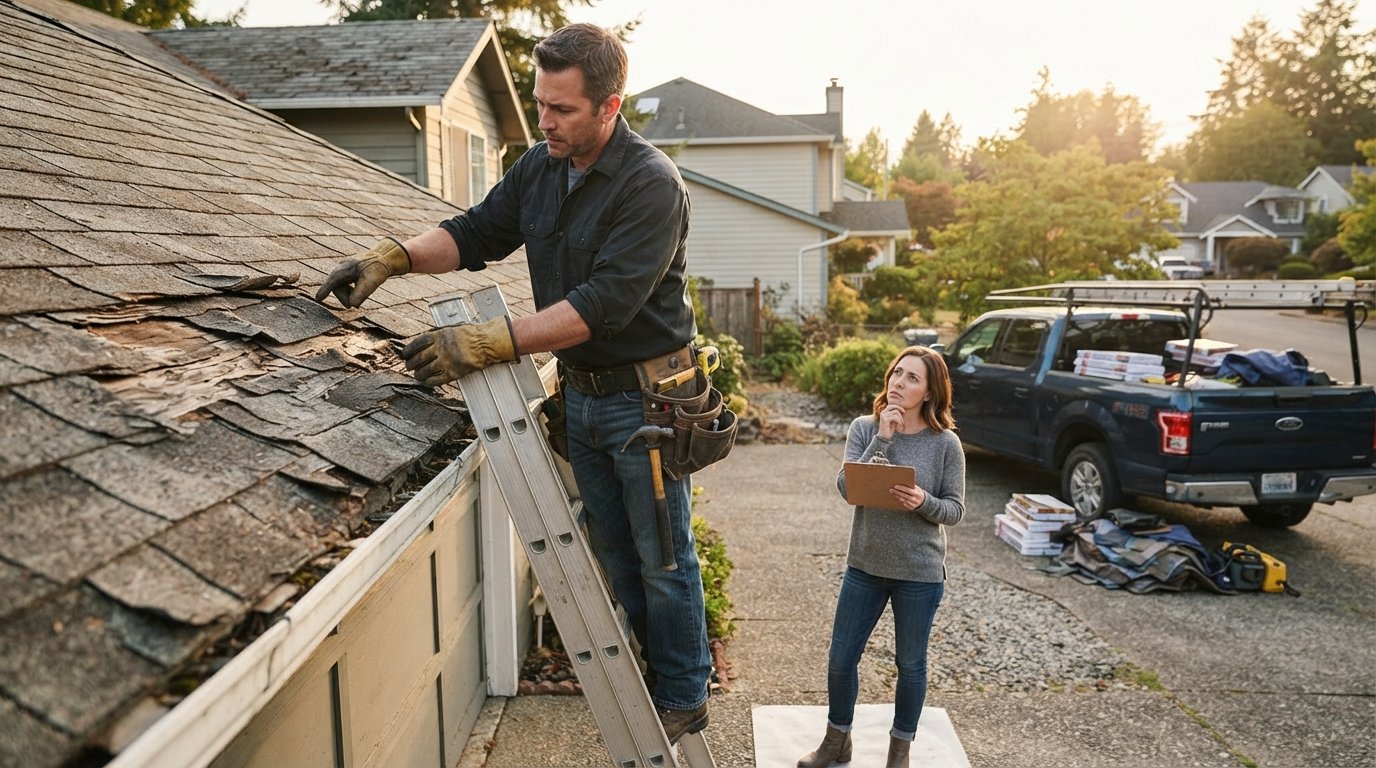
Installment Loan for a Large Planned Home Repair Like a Roof
An installment loan for a large planned home repair like a roof spreads the cost into fixed payments. Compare terms, borrow only what the estimate requires.

By Yara Griffin
A failing roof does not wait for a convenient moment in your budget. When a contractor hands you a five-figure estimate for shingles, decking, and labor, the gap between what you have saved and what the job costs can feel impossible to close. That is exactly the situation where an installment loan for a large planned home repair like a roof deserves a serious look. Instead of draining every reserve or putting the entire bill on a high-interest credit card, you spread the cost across a fixed schedule of payments that you can plan around. The key is understanding how these loans work, what to ask before you sign, and how to borrow only what the repair truly requires.
Why Spreading a Large Repair Over Scheduled Payments Makes Sense
Roof replacements are rarely emergencies in the dramatic sense. You usually see the warning signs first: curling shingles, granules in the gutters, a stain on the ceiling after a storm. That planning window is an advantage. It means you can match the financing to the project timeline instead of scrambling for cash in a single week. A lump-sum payment forces you to liquidate savings, delay other maintenance, or lean on a credit card with a variable rate. An installment structure converts one intimidating number into a predictable monthly figure.
The psychological benefit matters as much as the math. Homeowners who finance a planned repair with scheduled payments tend to protect their emergency fund, which keeps a smaller crisis from becoming a larger one. If the water heater fails the month after the roof is finished, you still have cash on hand. Spreading the cost also aligns the payment with the useful life of the asset: a new roof protects your home for decades, so paying for it over a few years is a reasonable match between benefit and cost.
There is a practical cash-flow angle too. Many contractors offer financing through third-party lenders, and online connection services can surface multiple installment offers from a single request. That competition is useful. When you submit one form and receive several potential offers, you can compare term lengths and monthly payments side by side rather than accepting the first number you see. The goal is not to borrow casually but to borrow deliberately, with the repair scope and your budget both written down before you apply.
How an Installment Loan for a Large Planned Home Repair Like a Roof Works
An installment loan is a closed-end credit product: you receive a lump sum, and you repay it in fixed installments over a set term, usually with a fixed interest rate. For a roof project, that structure fits naturally because the contractor typically wants progress payments at defined milestones. You can draw the loan, pay the contractor according to the schedule, and then repay the lender monthly while the work is completed and inspected.
Online connection services have simplified the front end of this process. A homeowner submits a short request with basic details such as income, banking information, and the amount needed, and the service matches the request with third-party lenders in its network. LendersCashLoan operates this way: it is not a direct lender and does not make credit decisions, but it helps consumers compare potential offers from independent lenders. That distinction matters because your loan terms, including the APR and repayment schedule, come directly from the lender you choose, not from the connection service.
Before you apply, gather the documents and details that most lenders request. Having them ready shortens the process and reduces the chance of a partial application.
- Written contractor estimate with a line-item breakdown (materials, labor, permits, disposal)
- Proof of income, such as recent pay stubs or bank statements
- Government-issued photo identification and your Social Security number
- Bank account and routing numbers for funding and repayment
- A record of the project timeline, including deposit and milestone dates
With those items in hand, you can request a specific amount rather than a round number that feels safe. That precision is one of the most effective ways to control the total cost of the loan, and it is the subject of the next section.
Request Only the Amount the Repair Actually Requires
It is tempting to pad the request. A little extra could cover a surprise, or the landscaping that never got finished. But every extra dollar borrowed accrues interest for the full term, and on a multi-year loan that padding can cost hundreds of dollars. The disciplined approach is to build the loan amount from the contractor's written estimate, then add a modest contingency only if the scope genuinely includes unknowns such as hidden decking damage.
Start with the signed estimate and separate the must-fund items from the optional ones. Must-fund items include materials, labor, permits, and disposal. Optional items might include upgraded shingles, gutter replacement, or skylight work. Fund the must-haves with the loan and pay for upgrades from savings or a separate, smaller source. If the contractor identifies hidden damage after tear-off begins, you can often request a small increase or use a contingency reserve rather than borrowing a large buffer upfront.
This is also where term length enters the conversation. A shorter term means higher monthly payments but less total interest. A longer term lowers the monthly burden but increases what you pay overall. Ask the lender to quote two or three term options for the exact amount you need, then compare the total cost of credit, not just the monthly payment. A payment that fits your budget is necessary, but it is not sufficient on its own. For a broader walkthrough of comparing offers, the guide on finding the best installment loans for your needs covers how to evaluate APR, fees, and repayment terms before you commit.
Questions to Ask a Lender About Term Length and Total Interest
The difference between a fair loan and an expensive one often comes down to the questions you ask before signing. Lenders are required to disclose key terms, but the disclosure documents can be dense. Prepare a short list and insist on clear answers. If a lender cannot or will not explain the total cost in plain language, that is a signal to keep comparing.
- What is the APR, and does it include all fees, including origination and processing charges?
- What is the total amount I will repay over the life of the loan if I make every payment on time?
- Are there prepayment penalties if I pay the loan off early, and how is the payoff calculated?
- What happens if a payment is late, including the fee amount and any reporting to credit bureaus?
- Is the interest rate fixed for the entire term, or can it change?
Write the answers down and compare them across offers using the same loan amount. A lower monthly payment can hide a much higher total cost, especially when the term stretches beyond three or four years. Also ask whether the lender reports to credit bureaus. On-time payments on an installment loan can support your credit profile, while missed payments can damage it. Finally, confirm how funds are disbursed and whether the lender pays the contractor directly or deposits the money in your account. Knowing the mechanics prevents awkward delays when the crew is ready to start.
Installment Loan vs. Short-Term Payday Option for the Same Roof Bill
When the estimate is large, a short-term payday option can look appealing because approval is fast and the application is simple. But the structures are very different, and the comparison usually favors the installment loan for a planned repair. A payday loan is designed to bridge a gap until your next paycheck, typically two to four weeks. Repaying a roof-sized balance in that window is rarely realistic, and rolling the balance forward can generate fees that dwarf the original amount.
An installment loan amortizes the balance over months or years, so each payment reduces principal as well as interest. That structure matches a planned project. If you are comparing options, calculate the total cost of each: the payday route may involve multiple rollover fees, while the installment route has a defined total repayment figure from day one. The installment approach also gives you time to coordinate with the contractor's milestone schedule instead of racing a two-week deadline.
That said, short-term products have a place for genuine, small emergencies. The distinction is size and timing. For a planned roof replacement, the balance is large and the timeline is measured in weeks or months, which points toward an installment structure with a fixed schedule. If you are exploring short-term options for a different, smaller expense, services such as StartCashLoan publish plain-language guides on borrowing and budgeting and can help you understand how connection services match borrowers with lenders. For the roof itself, prioritize offers that let you repay over a realistic term.
Protecting Your Project and Your Credit
Financing is only one part of a successful repair. Protect the investment by hiring a licensed, insured contractor and putting the scope in writing. The contract should specify materials, timelines, payment milestones, and a lien waiver process so that subcontractors and suppliers are paid. Tie loan disbursements to milestones rather than paying the full amount upfront, and keep a small holdback until the final inspection passes.
On the credit side, make every loan payment on time and keep the account in good standing. If your budget tightens, contact the lender before a payment is missed; many lenders offer hardship options or due-date adjustments. Avoid taking on additional debt during the repayment period, and do not treat the loan as a long-term solution to ongoing cash-flow problems. Short-term and installment loans are tools for specific, bounded expenses, not a replacement for an emergency fund or a balanced household budget.
Finally, revisit your savings plan after the project. The roof will not need replacing again for decades, but other systems will age. Use the monthly amount you were paying toward the loan, once it is retired, to build a home maintenance reserve. That habit turns a one-time financing decision into lasting financial resilience.
An installment loan for a large planned home repair like a roof can be a sensible bridge between the home you need and the cash you have today. Compare offers carefully, borrow only what the estimate requires, ask about total interest rather than just the monthly payment, and keep the project documented from estimate to final inspection. Done with discipline, the loan becomes a planning tool rather than a burden.