Installment Loan vs Short Term Loan: Your Clear Guide
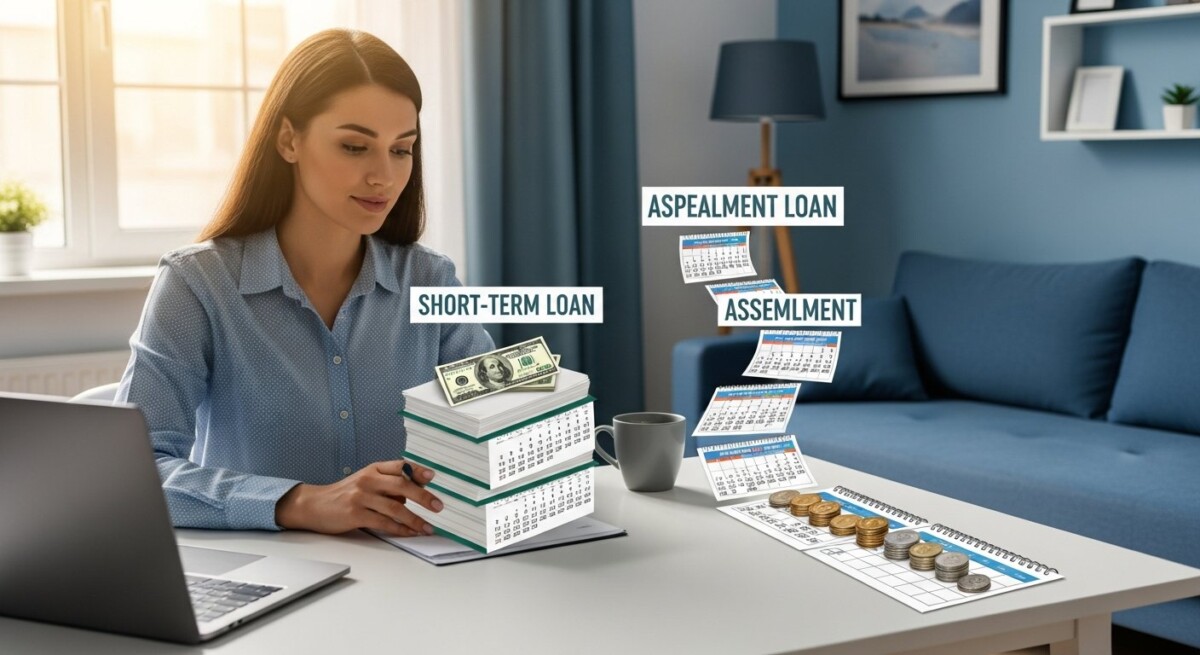

Your car breaks down on the way to work. The refrigerator stops cooling. An unexpected medical bill arrives. When urgent expenses pop up, you need a financial solution fast. Many people start searching for information on an installment loan vs short term loan to understand their options. This guide will break down these common loan types in simple, clear language to help you make an informed choice.
Understanding Installment Loan vs Short Term Loan
When you hear “installment loan vs short term loan,” it’s really about comparing two different ways to borrow money. Both can provide quick access to funds, but they work in distinct ways. Understanding the difference helps you pick the option that fits your specific situation.
A short-term loan is exactly what it sounds like: a loan designed to be paid back quickly, often within a few weeks or months. An installment loan is a type of loan you pay back in regular, scheduled payments (or installments) over a longer period. Some short-term loans, like certain payday loans, require one lump-sum payment. Others, like short-term installment loans, use the installment structure but over a much shorter timeline.
When People Consider Short-Term Loans
Short-term loans are often considered for immediate, temporary financial needs. They are typically not for large, planned purchases like a house or car. Instead, they bridge a gap when an unexpected cost arises before your next paycheck or regular income.
These loans can help cover urgent expenses that can’t wait. The goal is to get through a tight spot without long-term debt. Common situations include:
- Unexpected bills or late fees
- Urgent home or car repairs to maintain your livelihood
- Medical or dental expenses not fully covered by insurance
- A temporary cash shortage before payday
- Essential travel for a family emergency
If you are exploring short-term loan options, comparing lenders can help you find the right solution. Request loan offers or call to review available options.
Common Types of Short-Term Loans
Not all short-term loans are the same. Knowing the main types helps you understand what you might be applying for. The structure and terms can vary significantly between these options.
The two most common forms you’ll encounter are payday loans and short-term installment loans. A payday loan is usually due in full on your next payday. A short-term installment loan allows you to repay the amount borrowed, plus interest and fees, in multiple smaller payments over a few months.
- Payday Loans: Typically small-dollar loans repaid in one lump sum on your next payday.
- Short-Term Installment Loans: Loans repaid in several scheduled payments over a brief period, such as 3 to 12 months.
- Personal Cash Advances: Advances on your upcoming paycheck or from a credit card.
- Online Short-Term Loans: Loans applied for and managed through online lenders, often with a quick process.
How the Loan Application Process Works
The application process for short-term loans is usually designed to be fast. Many lenders offer online applications that can be completed in minutes. The goal is to provide a quick decision so you can address your financial need promptly.
While exact steps vary by lender, the general process follows a similar path. It often involves providing some basic personal and financial information for the lender to review. For a deeper look at what lenders look for, you can read our guide on how to qualify for a short term loan.
- Submit a loan request, either online, by phone, or in a store.
- Provide details like your income, employment, and bank account.
- The lender reviews your information.
- If approved, you receive loan offers detailing the amount, fees, and repayment schedule.
- Upon accepting an offer, funds are often deposited quickly, sometimes the same or next business day.
Comparing multiple lenders can help you find loan terms that match your situation. Compare loan offers or call to explore available funding options.
Factors Lenders May Consider
Lenders look at several key factors to decide if they can approve your loan request. They need to feel confident you can repay the loan according to the agreed terms. This assessment is usually quicker and may be less strict than for a traditional bank loan.
The main goal is to verify your ability to repay. Lenders commonly review:
- Income Verification: Proof you have a steady source of income, such as pay stubs or bank statements.
- Employment Status: Having a job or regular income is a primary factor.
- Credit History: Some lenders check your credit, while others may focus more on your income.
- Repayment Ability: They assess if your income can cover the loan payments along with your other expenses.
Understanding Loan Costs and Terms
Before agreeing to any loan, it’s crucial to understand exactly what it will cost you. The total cost includes the amount you borrow plus interest and any fees. Always review the loan agreement carefully so there are no surprises.
Key terms to look for include the Annual Percentage Rate (APR), which shows the yearly cost of the loan, the repayment schedule, and any fees for late payments or early payoff. Short-term loans can have higher APRs than longer-term loans, so understanding the full cost is vital. For a detailed comparison of structures, our article on installment loan vs payday loan key differences can be very helpful.
Loan terms can vary between lenders. Check available loan offers or call to review possible options.
Tips for Choosing the Right Loan Option
Choosing the right loan means finding one that solves your immediate problem without creating a bigger financial strain later. Take a little time to compare your options. The best choice is the one with terms you can comfortably manage.
Follow these practical tips to make a smarter borrowing decision:
- Review Repayment Terms: Make sure you understand the payment amounts and due dates.
- Compare Multiple Lenders: Costs and terms can vary, so shop around.
- Borrow Only What You Need: Taking more money means higher costs and a larger repayment burden.
- Plan Repayment Carefully: Fit the payments into your budget before you accept the loan.
- Ask Questions: If anything in the agreement is unclear, ask the lender to explain it.
Responsible Borrowing and Financial Planning
Short-term loans are tools for specific situations, not long-term financial plans. Using them responsibly means having a clear plan for repayment from the start. This helps you avoid a cycle of debt where you need a new loan to pay off the old one.
Consider how the loan payment fits into your monthly budget. If the payment seems too high, it might not be the right product for your current situation. The goal is to solve a temporary cash flow issue, not create ongoing financial stress. For strategies on managing loan payments, you might find our resource on finding affordable installment loans for your budget useful for future planning.
Always prioritize building a small emergency fund over time, even if it’s just a few dollars each week. This can help you handle future unexpected costs without needing to borrow.
FAQs
What is the main difference between a short-term loan and an installment loan?
The main difference is the repayment timeline. “Short-term loan” describes the loan’s brief duration, often weeks or months. “Installment loan” describes the repayment method,in multiple scheduled payments. A short-term loan can be structured as an installment loan, just with fewer, quicker payments.
Can I get a short-term loan with bad credit?
Some lenders offer short-term loans to people with bad or limited credit history. They may focus more on your current income and ability to repay than your past credit score. However, loans for borrowers with lower credit scores often come with higher interest rates.
How quickly can I get funds from a short-term loan?
Many lenders can provide funding quickly, sometimes within the same business day or by the next business day after approval. The speed depends on the lender’s process and when you complete your application. Online lenders often have faster funding times.
Are short-term loans more expensive than other loans?
Short-term loans often have higher Annual Percentage Rates (APRs) compared to long-term loans like mortgages. This is because the lender’s costs and risk are spread over a shorter period. It’s important to calculate the total dollar cost of the loan, not just the APR, to understand the expense.
What happens if I can’t repay my short-term loan on time?
If you think you might miss a payment, contact your lender immediately. They may offer an extension or a revised payment plan. Be aware that late payments typically result in additional fees and can hurt your credit score. Defaulting on the loan can lead to collections activity.
Is it better to get a payday loan or a short-term installment loan?
A short-term installment loan is often more manageable because it breaks the repayment into smaller chunks. A payday loan requires one large lump-sum payment, which can be difficult for many budgets. Always compare the total cost and payment schedule of any offer you receive.
Facing an unexpected expense can be stressful, but understanding your options puts you in control. Carefully review any loan offer, ensure the payments fit your budget, and choose a reputable lender. Taking the time to compare your options can lead you to a financial solution that helps now without causing problems later.


About Levi Parker
Related Posts