Online Lender vs Bank Loan: A Clear Comparison for Quick Funds


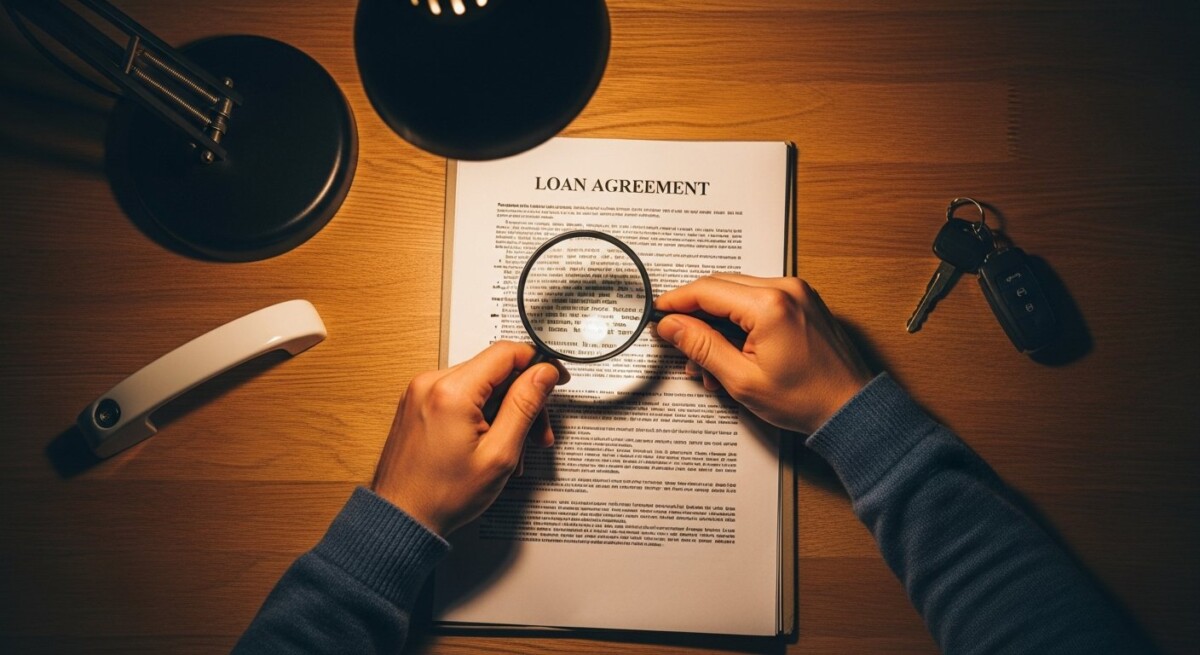
Your car breaks down on the way to work. An unexpected medical bill arrives. The fridge stops working. Life is full of surprise expenses that can’t wait until your next paycheck. In these urgent moments, you might start searching for a quick financial solution, leading you to an important decision: an online lender vs bank loan comparison. Understanding the key differences can help you find the right path to the funds you need, fast.
Understanding Online Lender vs Bank Loan Comparison
An online lender vs bank loan comparison is simply looking at the pros and cons of getting a loan from two different sources. Traditional banks are the familiar institutions with physical branches. Online lenders are digital companies that operate primarily over the internet.
People typically consider this comparison when they need money relatively quickly and want to understand their options. The goal is to find a solution that offers the right balance of speed, convenience, and manageable terms for your specific situation.
When People Consider Short-Term Loans
Short-term loans are often used to cover urgent, one-time costs that pop up between paychecks. They are designed to be a bridge over a temporary financial gap, not a long-term solution for ongoing budget problems.
Common situations that lead people to explore these options include:
- Unexpected Bills: A higher-than-expected utility bill or a sudden insurance payment.
- Urgent Home or Car Repairs: Fixing a leaking roof, a broken heater, or essential car repairs to get to work.
- Temporary Cash Shortages: Covering essentials when hours are cut at work or before a new job starts.
- Medical or Dental Expenses: Paying for prescriptions, co-pays, or treatments not fully covered by insurance.
If you are exploring short-term loan options, comparing lenders can help you find the right solution. Request loan offers or call to review available options.
Common Types of Short-Term Loans
When you need funds quickly, you’ll encounter a few common types of short-term financing. It’s important to know what each one involves so you can choose wisely.
Here are the main types you might see:
- Payday Loans: Small-dollar loans meant to be repaid in full, plus fees, on your next payday.
- Installment Loans: Loans where you borrow a set amount and repay it in regular, scheduled payments (installments) over a few months to a couple of years.
- Personal Cash Advances: An advance on your future income, sometimes accessed through an app or a card.
- Online Short-Term Loans: A broad category that includes many of the above options, but specifically offered by digital lenders with an online application process.
How the Loan Application Process Works
The process for getting a short-term loan, especially online, is usually straightforward. It’s designed to be much faster than applying for a traditional bank loan.
Here are the typical steps:
- Submit a Loan Request: You fill out a basic online form or application with your personal and financial details.
- Provide Income Details: You may need to show proof of income, like recent pay stubs or bank statements.
- Lender Review and Approval: The lender reviews your information, which can happen in minutes or hours.
- Receiving Loan Offers: If approved, you’ll see the exact loan terms, including the amount, fees, and repayment schedule.
- Receiving Funds if Approved: Once you accept an offer, funds are often deposited into your bank account as soon as the next business day.
Comparing multiple lenders can help you find loan terms that match your situation. Compare loan offers or call to explore available funding options.
Factors Lenders May Consider
Lenders look at several key pieces of information to decide whether to approve your loan. Understanding these factors can help you prepare your application.
Common considerations include:
- Income Verification: Lenders need to see that you have a steady source of money coming in to repay the loan.
- Employment Status: Having a stable job is a strong positive factor for most lenders.
- Credit History: While some online lenders work with various credit situations, they will often check your credit report or use alternative data.
- Repayment Ability: The lender will assess if your income is sufficient to cover the loan payment along with your other living expenses.
Understanding Loan Costs and Terms
Before you agree to any loan, it’s crucial to understand exactly what it will cost you. The total cost is more than just the amount you borrow.
Key things to look for are the interest rate (often expressed as an Annual Percentage Rate or APR), the repayment period (how long you have to pay it back), and any fees (like origination fees or late payment penalties). A loan with a longer term might have smaller payments, but you could pay more in interest over time.
Loan terms can vary between lenders. Check available loan offers or call to review possible options.
Tips for Choosing the Right Loan Option
With several options available, making a smart choice comes down to careful comparison and planning. Don’t just jump at the first offer you receive.
Follow these practical tips:
- Review Repayment Terms Thoroughly: Make sure you know the due date, payment amount, and total repayment cost.
- Compare Multiple Lenders: Look at offers from a few different companies to find the best overall terms for you.
- Borrow Only What You Need: It can be tempting to take extra cash, but remember you have to pay it all back with interest.
- Plan Repayment Carefully: Before you accept, know exactly how the payment will fit into your upcoming budget.
Responsible Borrowing and Financial Planning
Short-term loans are helpful tools for emergencies, but they work best when used responsibly. The goal is to solve an immediate problem without creating a larger, long-term financial issue.
This means borrowing only for true needs, not wants. It also involves having a clear plan for repayment before you take the loan. If you find yourself needing short-term loans frequently, it may be a sign to look at your overall budget or speak with a financial counselor to build a more stable plan.
FAQs
What is the main difference between an online lender and a bank?
Banks are traditional institutions with physical branches and often have stricter requirements. Online lenders operate digitally, which can mean faster applications and decisions, and they may be more flexible with credit scores. The right choice depends on your need for speed versus potentially lower rates.
Can I get a short-term loan with bad credit?
Yes, some online lenders specialize in working with borrowers who have less-than-perfect credit. They may use other information, like your income and employment, to make a decision. Be aware that loans for those with lower credit scores often come with higher interest rates.
How fast can I get money from an online lender?
Many online lenders can provide a decision within minutes of applying. If approved, funds are typically deposited into your bank account as soon as the next business day, and sometimes even on the same day.
Are online loans safe?
Reputable online lenders use secure, encrypted websites to protect your personal data. Always check that the lender is licensed to operate in your state and read reviews from other customers before providing sensitive information.
What happens if I can’t repay my loan on time?
Contact your lender immediately. Ignoring it will lead to late fees and damage your credit. Some lenders may offer an extended payment plan. It’s critical to understand the lender’s specific policies on late payments before you borrow.
Do I need a bank account to get an online loan?
Almost always, yes. Most online lenders require an active checking account. This is where they deposit the loan funds and where they will withdraw your scheduled payments from automatically.
Is it better to get a payday loan or an installment loan?
Installment loans are generally a more manageable option because they allow you to repay in smaller chunks over time. A payday loan requires one large lump-sum payment, which can be difficult and lead to a cycle of debt if you can’t afford it.
Will applying for a loan hurt my credit score?
Many online lenders perform a “soft” credit check for the initial application, which does not affect your score. However, if you proceed with a specific offer, a “hard” credit inquiry may occur, which can have a small, temporary impact.
Facing a financial emergency can be stressful, but taking a moment to carefully review your options can lead to a better outcome. By understanding the online lender vs bank loan comparison, you can make an informed choice that provides the quick solution you need while keeping your financial health in mind. Always compare lenders, read the fine print, and borrow responsibly.

About Dylan Patterson
Related Posts