Short Term Personal Loans: Fast Funding for Emergencies


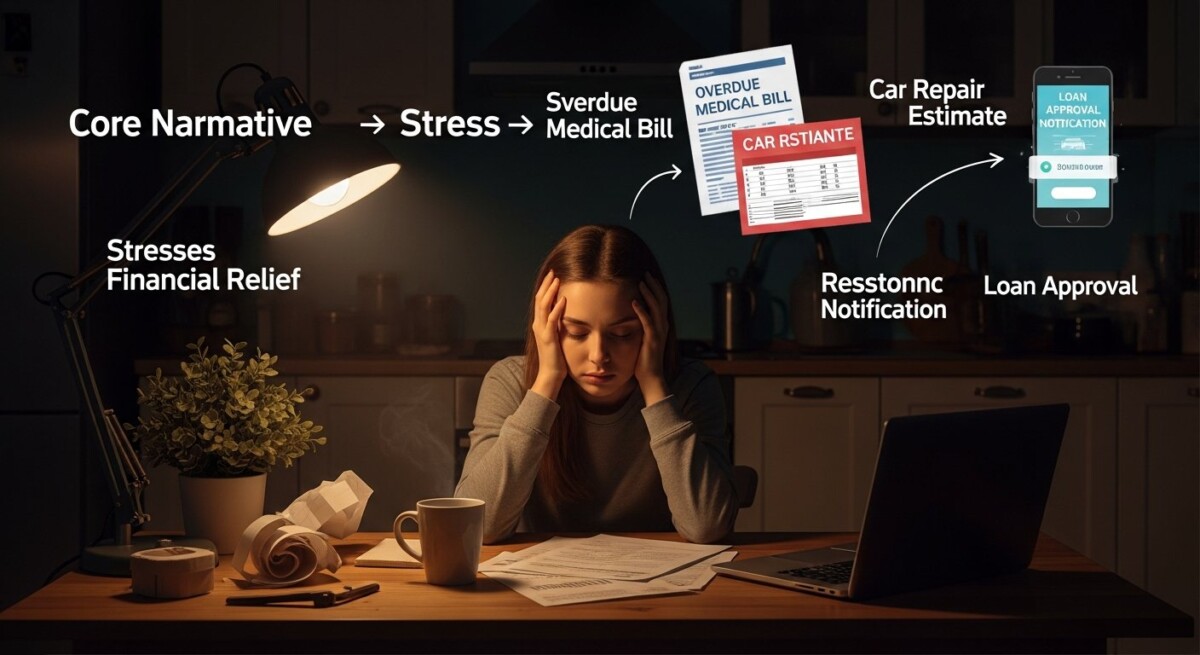
When an unexpected expense lands on your doorstep and your next paycheck feels like a lifetime away, short term personal loans can be a lifeline. Whether it is a sudden car repair, a medical bill, or an urgent home fix, these small-dollar loans are designed to bridge the gap until your next income arrives. The appeal is clear: fast access to cash with a straightforward application process that does not require perfect credit. But before you submit a request, it pays to understand exactly how these loans work, what they cost, and how to choose a reliable service to connect you with potential lenders. This guide walks you through everything you need to know about short term personal loans so you can make an informed decision.
What Are Short Term Personal Loans?
Short term personal loans are unsecured loans typically repaid within a few weeks to a few months. Unlike long-term installment loans that stretch over years, these loans are meant for immediate, temporary needs. Borrowers usually receive a lump sum of cash upfront and agree to repay it, plus fees or interest, by a specific due date or in a series of quick payments. Loan amounts tend to be modest, often ranging from $100 to $1,500, though some lenders offer more depending on state regulations and the borrower’s income.
Because the repayment period is short, lenders face higher risk, which is reflected in the cost. Interest rates and fees for short term personal loans can be higher than those for traditional bank loans. However, the trade-off is speed and accessibility. Many lenders do not require a strong credit history, making these loans available to people who might be turned away by banks or credit unions. A loan connection service like LendersCashLoan acts as a middleman, helping you submit a single online request to a network of third-party lenders who specialize in this type of funding.
How Short Term Personal Loans Work
The process for obtaining a short term personal loan has become increasingly digital. Most borrowers start by filling out a simple online form that asks for basic personal information, employment details, and banking data. This request is then shared with multiple lenders who evaluate it based on their own criteria. If a lender approves your request, they will present a loan offer with the terms, including the amount, fees, repayment schedule, and annual percentage rate (APR). You have the right to review the offer and accept it only if it fits your budget.
Once you accept, funds are typically deposited into your checking account as soon as the next business day. Some lenders even offer same-day funding for applications submitted early in the day. Repayment is usually handled automatically via a debit from your account on the due date or through a post-dated check. It is essential to read the fine print to understand the exact repayment terms and any penalties for missed or late payments. For a deeper look at the options available, you can explore our detailed overview of short term lender offers to see how different rates and terms compare.
A typical short term personal loan process follows these steps:
- Submit a request: Fill out an online form with your personal and financial details.
- Receive offers: Lenders in the network review your request and send you loan proposals.
- Review terms: Compare the APR, fees, repayment date, and total cost before accepting.
- Get funded: Once you accept, money is deposited into your bank account quickly.
- Repay on time: Ensure you have funds in your account by the due date to avoid extra charges.
These steps are designed to be fast and user-friendly, but they also require responsibility. Borrowing without a clear repayment plan can lead to a cycle of debt, especially if you roll over the loan or take out another one to cover the first.
Common Uses for Short Term Personal Loans
People turn to short term personal loans for a variety of reasons. The most common is to cover unexpected emergencies that cannot wait until the next paycheck. Here are some typical scenarios:
- Medical expenses: An urgent trip to the emergency room or a dental procedure that insurance does not fully cover.
- Car repairs: A broken transmission or a flat tire that prevents you from getting to work.
- Home repairs: A leaking roof, a broken furnace in winter, or a plumbing disaster.
- Utility bills: A past-due electricity or water bill that threatens to cut off service.
- Debt consolidation: Using a short term loan to pay off a smaller, high-interest debt, though this is less common due to loan size.
While these loans can solve an immediate problem, they are not intended for long-term financial planning. Using a short term personal loan for a planned purchase like a vacation or new electronics is generally not advisable because the high cost can outweigh the benefit. The key is to match the loan purpose with an urgent, one-time need.
Eligibility Requirements and Credit Considerations
One of the biggest advantages of short term personal loans is that they are accessible to borrowers with less-than-perfect credit. Many lenders in the network do not perform a hard credit check; instead, they rely on your income and employment status to assess your ability to repay. Basic eligibility typically includes:
- Being at least 18 years old
- A steady source of income (job, benefits, or self-employment)
- An active checking account in your name
- Valid contact information (email and phone number)
- U.S. citizenship or permanent residency
If you are self-employed, you may still qualify, though lenders may ask for additional documentation such as bank statements or tax returns to verify income. For a more detailed look at this situation, check out our guide on personal loans for self employed borrowers, which covers tips for preparing your application and what to expect.
Credit checks vary. Some lenders perform a soft pull that does not affect your credit score, while others may do a hard pull after you accept an offer. Even if you have past credit issues, you have a good chance of finding a lender willing to work with you. However, lower credit often means higher interest rates or fees. It is wise to compare multiple offers to find the most affordable option.
Advantages and Risks of Short Term Personal Loans
Like any financial product, short term personal loans come with both benefits and drawbacks. Understanding these can help you decide if this type of borrowing is right for your situation.
Advantages:
- Speed: Application and funding can happen within hours or one business day.
- Accessibility: Available to borrowers with bad credit or no credit history.
- Convenience: Entire process can be completed online from your home.
- No collateral: These loans are unsecured; you do not risk losing property if you default.
Risks:
- High cost: APR can be triple digits when annualized; fees add up quickly.
- Short repayment window: If you cannot repay on time, you may face rollover fees or default.
- Debt cycle risk: Borrowers sometimes take multiple loans to pay off previous ones, creating a spiral.
- Impact on credit: Missed payments can be reported to credit bureaus.
To minimize risks, only borrow what you can realistically repay by the due date. If you find yourself needing a short term loan repeatedly, it may be time to consider other financial strategies like building an emergency fund or seeking credit counseling.
How to Apply for a Short Term Personal Loan Online
Applying for a short term personal loan through a connection service is straightforward. Start by visiting a trusted platform like LendersCashLoan. The online form asks for your name, address, income details, and how much you need. The entire submission takes only a few minutes. Once submitted, your request is encrypted and shared with participating lenders. You may receive multiple offers; take time to compare them. Pay attention to the total cost of the loan, not just the monthly payment.
If you are new to the process, you might find it helpful to read our article on what is a cash loan, which explains the terminology and typical terms you will encounter. After you select an offer, you will be directed to the lender’s website to finalize the agreement. Make sure the lender is licensed in your state and that you understand all fees before signing electronically.
Here are a few tips to streamline your application:
- Have your paycheck stubs or bank statements ready to prove income.
- Use a valid email address and phone number to receive updates.
- Double-check your bank account and routing numbers for deposit.
- Read the loan agreement word for word, especially the fine print.
Once approved, funds are usually deposited via ACH transfer. Some lenders may charge a small origination fee, which is deducted from the loan amount or added to the balance. Always confirm the net amount you will receive.
Alternatives to Consider
Before committing to a short term personal loan, explore other options that might be less expensive. For example, borrowing from friends or family can be interest-free. A credit card cash advance may have lower fees if you can pay it off quickly. Some employers offer paycheck advances or salary loans. Local nonprofits or religious organizations sometimes provide emergency assistance. If you have a credit union membership, a small personal loan from them often comes with better rates.
However, if these alternatives are not available or do not meet your urgency, a short term personal loan from a reputable lender network can be a practical solution. The key is to use it for genuine emergencies and to have a concrete plan for repayment. Avoid taking out a loan for non-essential spending, as the cost can quickly snowball.
Short term personal loans are a tool, not a crutch. When used responsibly, they can help you navigate a rough patch without derailing your finances. By understanding how they work, comparing offers, and choosing a trustworthy connection service, you put yourself in the best position to get the funding you need while protecting your financial health.


About Levi Parker
Related Posts