
How to Find and Vet Secure Loan Websites for Safe Borrowing
Learn the critical steps to identify secure loan websites that protect your data and avoid scams. Safeguard your finances with our vetting framework.

By Henry Sullivan
In the digital age, applying for a loan online is often faster and more convenient than visiting a bank. Yet, this convenience carries significant risks, from data breaches to outright scams. The difference between a smooth financial transaction and a devastating identity theft incident often hinges on the security of the website you use. Finding truly secure loan websites is not just about getting funds, it is about protecting your most sensitive personal and financial information. This guide provides a comprehensive framework for identifying, evaluating, and confidently using online lending platforms that prioritize your security and financial well-being.
Visit Check Website Security to securely evaluate trusted lenders and protect your financial information.
Understanding the Foundation of a Secure Loan Website
A secure loan website is built on more than just a promise of low rates. It is a platform that integrates robust data protection, transparent business practices, and ethical lending into its core operations. Security in this context is multifaceted: it encompasses the technical safeguards that protect your data in transit and at rest, as well as the regulatory compliance and fair lending practices that protect your rights as a borrower. Ignoring either aspect can lead to severe consequences, making due diligence a non-negotiable first step.
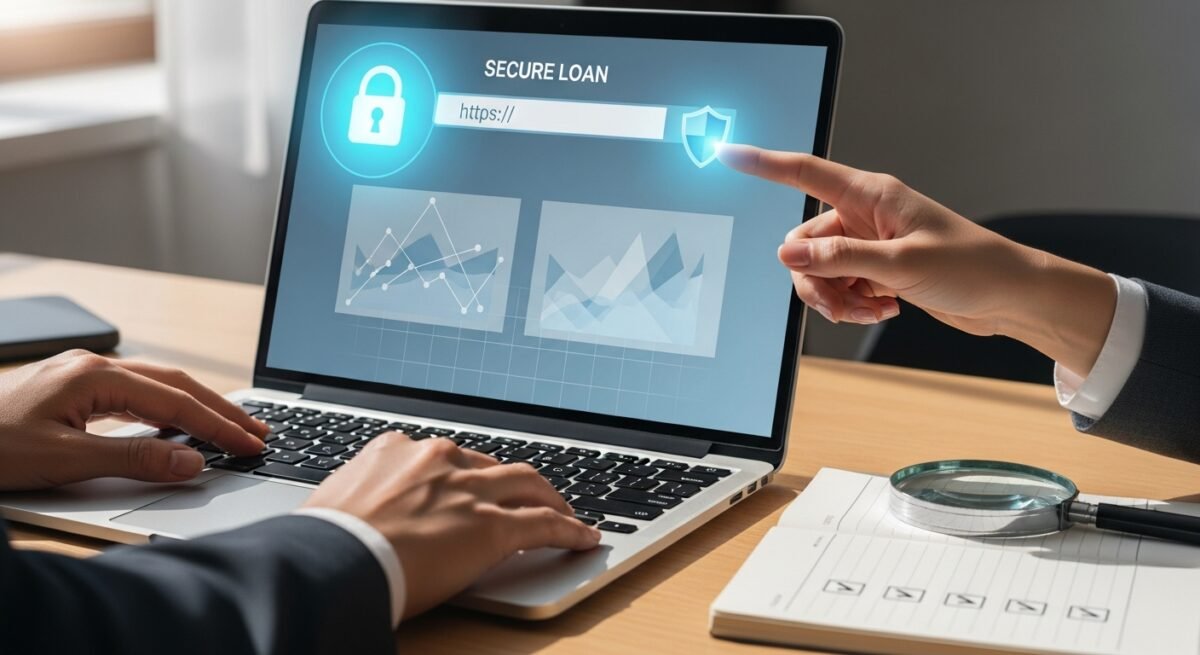
The cornerstone of technical security is encryption. When you submit your Social Security number, bank account details, and income information, that data must be scrambled as it travels across the internet. This is where HTTPS and SSL/TLS certificates come into play. A secure site will have “https://” at the beginning of its web address, not just “http://”. The “s” stands for secure, and most browsers will also display a padlock icon in the address bar. Clicking on this padlock allows you to view the site’s security certificate, verifying its authenticity. A site without HTTPS is a major red flag, it means your data is sent in plain text, easily intercepted by malicious actors.
Key Security Features to Verify Before You Apply
Beyond the padlock, several other features distinguish a secure lending platform from a risky one. These features work together to create a defense-in-depth strategy against cyber threats. Scrutinizing a website for these elements should become a standard part of your evaluation process before you type a single digit of your personal information.
First, examine the website’s privacy policy and data security disclosures. A legitimate, secure lender will have a clear, detailed privacy policy that explains exactly what information they collect, how they use it, with whom they share it, and how they protect it. Vague or missing policies are a warning sign. Look for mentions of specific security standards, such as adherence to the Gramm-Leach-Bliley Act (GLBA) for financial data, or the use of firewalls, intrusion detection systems, and regular security audits. Reputable sites often have a dedicated security page explaining their measures.
Second, assess the physical and operational security of the company. While you cannot visit their server room, you can look for signs of a legitimate business. A secure loan website should clearly display its corporate address, a working customer service phone number (not just an email form), and its state lending licenses. These licenses are crucial, as they mean the lender is legally authorized to operate in your state and is subject to regulatory oversight. You can verify these licenses with your state’s banking or financial regulator.
To help you conduct a thorough check, here is a actionable checklist of security features to confirm:
- HTTPS and a Valid SSL Certificate: The padlock icon is present, and the certificate is issued to the company’s official domain.
- Clear Contact Information: A physical address and direct customer service phone number are easily found.
- Transparent Fee and Rate Disclosures: All costs, including APR, origination fees, and late penalties, are disclosed upfront in clear language.
- State Licensing Information: The website lists the states where it is licensed to operate. You can cross-reference this with your state’s official database.
- Detailed Privacy and Security Policy: The policy explains data collection, usage, sharing, and protection in specific terms, not just boilerplate text.
Following this checklist will help you filter out many deceptive or poorly secured sites. Remember, a legitimate lender wants to build trust and will make this information accessible. If you have to hunt for it, consider it a potential red flag.
Recognizing and Avoiding Loan Scams and Fake Websites
Scammers create incredibly sophisticated fake loan websites designed to steal your money and identity. These sites often mimic the look and feel of legitimate lenders or even invent entirely new brands that promise guaranteed approval or no-credit-check loans with unbelievable terms. The Federal Trade Commission (FTC) and the Consumer Financial Protection Bureau (CFPB) consistently warn consumers about these predatory tactics. Understanding the common hallmarks of a scam is your best defense.
A primary tactic is the upfront fee scam. A legitimate lender may charge an origination fee, but this is typically deducted from your loan proceeds after approval. A scammer will demand an upfront payment via wire transfer, gift card, or cryptocurrency before you ever receive a loan, often citing reasons like “insurance,” “processing,” or “guarantee” fees. Once you pay, the scammer disappears, and the loan never materializes. No reputable lender operating secure loan websites will ask for payment via gift cards or wire transfers before funding a loan.
Other red flags include guaranteed approval promises (all responsible lenders check credit), unsolicited loan offers via email or phone, and websites riddled with spelling and grammatical errors. Pressure to act immediately is another classic sign. Scammers use urgency to prevent you from doing your research. Always be wary of any lender that contacts you first or uses high-pressure sales tactics. Your vigilance is the most critical security layer of all.
Visit Check Website Security to securely evaluate trusted lenders and protect your financial information.
Evaluating Lender Reputation and Borrower Reviews
Once a website passes your initial security checks, the next step is to investigate the lender’s reputation. Secure loan websites are operated by companies with a track record of fair dealing. Research is essential here. Start with the Better Business Bureau (BBB) website to see the company’s rating, any accredited status, and, most importantly, customer complaints and how they were resolved. Look for patterns in complaints, such as issues with hidden fees, poor communication, or problems with payment processing.
Expand your research to independent review platforms like Trustpilot, the Consumer Financial Protection Bureau’s complaint database, and even Reddit personal finance forums. Read both positive and negative reviews critically. A handful of negative reviews among many positives is normal for any business, but a consistent pattern of serious complaints about unauthorized withdrawals, difficulty canceling, or aggressive collections is a major warning. Be cautious of review sites that seem to host only glowing, generic reviews, as they may be controlled by the lender. Authentic reviews typically include specific details about the user’s experience.
This process of reputation checking does more than just validate security, it gives you insight into the customer experience. A lender with a strong reputation for responsive customer service and transparent problem-solving is likely to be a more reliable and secure partner throughout the life of your loan. This due diligence complements the technical security checks to give you a 360-degree view of the platform’s trustworthiness.
Best Practices for Protecting Your Data During the Application
Even on a verified, secure loan website, your own habits play a vital role in maintaining security. Adopting safe online behaviors is the final, essential layer of protection. Always ensure you are applying from a private, secure network. Public Wi-Fi at coffee shops or airports is notoriously insecure, making it easy for hackers to intercept your data. If you must use a public network, use a reputable Virtual Private Network (VPN) to encrypt your connection.
Before you start an application, prepare the necessary documents (pay stubs, bank statements). Ensure these documents are stored securely on your device. When uploading, be precise: only provide what is explicitly requested. Never email sensitive documents to a generic address unless you have verified the recipient. Use strong, unique passwords for your loan account, and enable two-factor authentication (2FA) if the lender offers it. This adds an extra step for verification, such as a code sent to your phone, making unauthorized access much harder.
Finally, monitor your financial accounts closely during and after the application process. Set up alerts for any new accounts opened in your name or significant changes to your credit report using the free annual reports from AnnualCreditReport.com. Early detection of suspicious activity is key to minimizing damage. By combining a secure platform with secure personal practices, you create a powerful defense against financial fraud.
Frequently Asked Questions (FAQs)
Is it safe to give my Social Security number on a loan website?
Yes, but only if you have thoroughly vetted the website as secure and legitimate. A legitimate lender needs your SSN to perform a credit check, a standard part of underwriting. The risk is not in providing the number to a verified entity, it is in providing it to a fake or insecure site. Always confirm HTTPS, licensing, and a physical address first.
What is the difference between a secure connection (HTTPS) and a secure company?
HTTPS means the data you send to the website is encrypted in transit. A “secure company” means the business itself follows ethical lending laws, protects your data on its servers, and has a trustworthy reputation. You need both. A scam site could theoretically use HTTPS to look legitimate while still being a fraudulent operation.
Are online loan aggregators or comparison sites secure?
They can be, but you must be cautious. A reputable aggregator should clearly state that it is a marketing lead generator, explain how it shares your data with its partner lenders, and have its own robust security and privacy policy. Remember, when you submit a form on an aggregator site, your data may be sent to multiple lenders, increasing your exposure. Vet the aggregator as carefully as you would a direct lender.
How can I tell if a loan offer sent to me by email is from a secure website?
Do not click links in unsolicited loan offer emails. These are often phishing attempts. If you are interested in the lender, close the email and independently search for the company’s official website. Type the URL directly into your browser and conduct your security checks from there. This avoids clicking on malicious links disguised to look legitimate.
What should I do if I suspect I have applied on an insecure or fraudulent loan website?
Act immediately. Place a fraud alert on your credit reports with the three major bureaus (Equifax, Experian, TransUnion). Monitor your bank and credit card statements for any unauthorized transactions. File a complaint with the FTC at ReportFraud.ftc.gov and your state’s attorney general. If you sent money, contact your payment method provider (your bank, wire service, etc.) to see if you can stop the transaction.
Navigating the world of online lending requires a blend of caution, knowledge, and proactive verification. Secure loan websites do exist, offering a valuable service when used wisely. By prioritizing platforms that demonstrate unwavering commitment to technical security, regulatory compliance, and ethical transparency, you empower yourself to access credit without compromising your financial safety. The responsibility ultimately lies with you, the borrower, to perform the necessary checks. Treat your personal financial data with the utmost care, and let that principle guide every click and every application you submit online.
Visit Check Website Security to securely evaluate trusted lenders and protect your financial information.