Emergency Cash Loans: A Guide for Unexpected Home Expenses
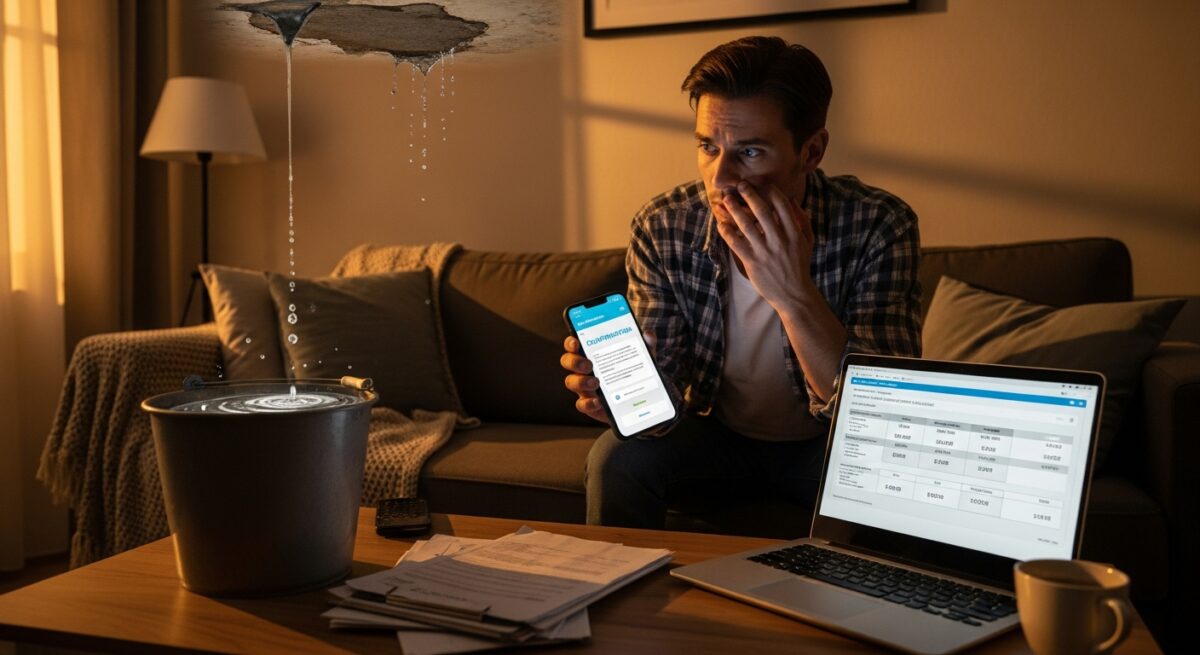

Just like a sudden leak in your roof, financial emergencies can happen to any homeowner without warning. When your paycheck is days away but a critical repair or bill can’t wait, you need a solution to bridge the gap. Emergency cash loans are designed for exactly these urgent situations, providing fast access to funds to handle life’s unexpected repairs and expenses.
Visit Get Emergency Funds to explore your emergency loan options and connect with a lender.
Understanding Emergency Cash Loans
An emergency cash loan is a short-term financial product intended to cover urgent, unexpected costs. For a homeowner, this could be a broken furnace in winter, a major plumbing leak, or an urgent medical bill. These loans are known for their quick application process and fast funding, often within the same day.
Think of them as a financial tool for a temporary patch—much like using a bucket under a leak until the plumber arrives. They are not designed for long-term financing but to solve an immediate cash flow problem.
Common Types of Emergency Loans
The two most common forms are payday loans and installment loans. Payday loans are typically smaller amounts repaid in one lump sum on your next payday. Installment loans allow you to repay the borrowed amount plus interest over a set period in regular, scheduled payments.
Why It Matters for Homeowners
Your home is your biggest investment and sanctuary. When a critical system fails, delaying repairs can lead to much more extensive and expensive damage. An emergency loan can provide the funds to hire a professional immediately, preventing a small problem from becoming a catastrophic one.
Beyond home repairs, these loans can help cover urgent costs that threaten your family’s stability, like a sudden car breakdown needed for work or an unavoidable medical expense. The key benefit is speed and accessibility, especially if you have less-than-perfect credit and traditional bank loans are not an option.
Ready to explore a fast, simple solution for your urgent expense? Our streamlined application can connect you with potential lenders quickly. Learn more about the application process here
Common Issues and Their Causes
The primary issue homeowners face with emergency loans is misunderstanding the terms. High costs can accumulate if the loan isn’t managed carefully. This often happens because the urgency of the situation leads to skipping the fine print.
Common causes of trouble include:
- High-Interest Rates and Fees: Due to the short-term, high-risk nature of the loan, APRs can be significantly higher than traditional loans.
- Short Repayment Cycles: A tight deadline can create a cycle of borrowing if you’re unable to repay in full on the due date.
- Borrowing More Than Needed: In a panic, it’s easy to take the maximum offered, which increases the repayment burden.
How a Responsible Lender Helps You Navigate the Process
A reputable emergency loan service works like a trustworthy contractor: they assess your situation, explain the plan clearly, and ensure you understand the terms before proceeding. They help you choose the right loan product for your specific emergency and budget.
The process typically involves a simple online application, a quick review of your income and banking information, and a clear disclosure of all fees, rates, and the repayment schedule. The goal is to provide a transparent, straightforward path to the funds you need. For example, understanding the difference between a single-payment payday loan and a multi-payment installment loan is crucial, which is why we detail how installment loans work on our site.
Don’t let a financial emergency damage your home or peace of mind. Speak with a helpful representative today to understand your options.
Signs You Should Not Ignore
Just as you wouldn’t ignore a flickering electrical panel, certain financial signs indicate an emergency loan might be a necessary step. It’s about prioritizing urgent needs over non-essential wants.
Warning signs that a true financial emergency is at hand:
- An Essential Home System Has Failed: This includes heating, cooling, plumbing, or electrical issues that affect safety and basic living conditions.
- You Have an Urgent Medical or Auto Bill: Your health or your ability to get to work is jeopardized.
- A Critical Payment is Overdue: Such as a utility bill that will result in a shut-off notice or a mortgage payment to avoid late fees.
- You Have No Emergency Savings: And the cost cannot be covered by cutting other discretionary spending.
Cost Factors and What Affects Pricing
The total cost of an emergency cash loan depends on several key factors, much like a repair bill depends on parts and labor. The principal amount you borrow is the biggest factor—always borrow the minimum you need.
Visit Get Emergency Funds to explore your emergency loan options and connect with a lender.
The Annual Percentage Rate (APR) combines interest and fees into a yearly rate, making it easier to compare costs. Your state’s regulations also play a major role, as laws cap rates and terms differently. Finally, the loan term matters; a longer-term installment loan may have smaller payments but could accrue more interest over time compared to a very short-term payday loan. It’s wise to research options, much like you would read reviews for local services before hiring.
How To Choose the Right Loan Service
Selecting a lender is as important as choosing a skilled repairman. Look for transparency, licensing, and positive customer feedback. A good lender will clearly display their rates, fees, and terms without hiding details in fine print.
Ensure they are licensed to operate in your state, which means they follow local consumer protection laws. Read independent customer reviews to gauge their reputation for customer service and fairness. Choose a service that offers a range of products, so you’re not pushed into a one-size-fits-all solution.
Long-Term Benefits for Your Home and Finances
Used responsibly for a genuine, one-time emergency, a cash loan can provide significant long-term benefits. It protects your home from escalating damage, which saves you thousands in future repairs. It helps you avoid late fees on critical bills or more severe consequences like utility shut-offs or damaged credit from missed payments.
Most importantly, it gives you breathing room to address the immediate crisis without derailing your entire monthly budget. Successfully repaying a short-term loan can also be a step toward rebuilding or establishing your credit history when reported to credit bureaus.
Frequently Asked Questions
How fast can I get the money from an emergency loan?
If approved, funding can be incredibly fast. Many lenders can deposit funds into your bank account as soon as the next business day, and sometimes even on the same day you apply.
Do I need good credit to qualify?
Not necessarily. Many emergency loan lenders focus on your current income and ability to repay rather than your credit score alone. This makes them an option for homeowners with less-than-perfect credit.
What do I need to apply?
Typically, you’ll need proof of identity (like a driver’s license), proof of steady income (pay stubs or bank statements), an active checking account, and to be at least 18 years old.
Are online lenders safe?
Reputable online lenders use advanced encryption to protect your data, just like a secure banking website. Always verify the lender is licensed in your state and has a physical address and customer service phone number.
What’s the difference between a payday loan and an installment loan?
A payday loan is usually repaid in one lump sum on your next payday. An installment loan is repaid over a longer period in multiple, scheduled payments. Installment loans often allow for larger borrowed amounts.
Can I pay off my loan early?
Most reputable lenders allow you to pay off your loan early without any prepayment penalties. This can save you a significant amount on interest. Always confirm this policy before accepting the loan.
What happens if I can’t repay on time?
Contact your lender immediately. Some may offer an extended payment plan or other options. However, late fees will likely apply, and rolling over a loan can lead to a cycle of debt, so it’s critical to communicate and understand all consequences.
Is an emergency loan right for home renovations?
Generally, no. These loans are best for urgent, unexpected expenses. For planned projects like renovations, seek out lower-interest, longer-term financing options specifically designed for home improvement.
When a financial emergency strikes your home, knowing you have a potential path forward can relieve immense stress. By understanding how emergency cash loans work, choosing a transparent and licensed lender, and using them responsibly for true one-time crises, you can protect your home and your family’s well-being without derailing your financial future.
Visit Get Emergency Funds to explore your emergency loan options and connect with a lender.


About Levi Parker
Related Posts