Can Self-Employed Get Personal Loans? Access Funding Solutions


Your car breaks down on the way to an important client meeting. Or a crucial piece of equipment for your business suddenly stops working. As a self-employed person, an unexpected expense can throw your whole budget off track. You might find yourself searching online for answers to “can self employed get personal loan” to find a quick financial solution. The good news is, yes, there are options available for freelancers, gig workers, and independent contractors who need short-term funding.
Understanding Can Self Employed Get Personal Loan
When people ask “can self employed get personal loan,” they are usually looking for a way to borrow money without being a traditional employee. A personal loan is a sum of money you borrow and pay back over time with interest. For self-employed individuals, the process focuses on proving you have a reliable income, even if it comes from multiple clients or projects.
Lenders understand that not everyone works a 9-to-5 job. They look at your overall financial picture. This includes bank statements, tax returns, and client contracts. The goal is to show you can manage the loan payments from your business earnings.
When People Consider Short-Term Loans
Short-term loans can be helpful during urgent financial situations. They are designed to provide quick cash to cover immediate needs. This allows you to handle an emergency without derailing your business operations or personal finances.
Common situations where self-employed individuals might consider a short-term loan include:
- Unexpected bills or taxes
- Urgent home or car repairs
- Covering costs during a slow business period
- Unexpected medical or dental expenses
- Needing to replace essential work equipment quickly
If you are exploring short-term loan options, comparing lenders can help you find the right solution. Request loan offers or call to review available options.
Common Types of Short-Term Loans
Several types of short-term financing might be available. Understanding the differences can help you choose what fits your situation. Each type has its own structure for repayment and cost.
Main types include:
- Installment Loans: You borrow a fixed amount and repay it in regular, scheduled payments over a set period.
- Personal Cash Advances: This is an advance on your future income, which you repay from your next business deposits.
- Online Short-Term Loans: These are typically offered by online lenders with a fast application process and quick funding.
How the Loan Application Process Works
The application process for self-employed individuals is straightforward. It often involves providing documentation that shows your income history. Many lenders now offer online applications for convenience and speed.
A typical process might follow these steps:
- Submitting a loan request with basic personal and business details.
- Providing proof of income, like bank statements or tax forms.
- The lender reviews your information and checks your credit.
- If approved, you receive one or more loan offers to review.
- Upon accepting an offer, funds are often deposited directly into your bank account.
Comparing multiple lenders can help you find loan terms that match your situation. Compare loan offers or call to explore available funding options.
Factors Lenders May Consider
Lenders look at several key factors to decide on a loan application. For self-employed applicants, proving stable income is the most important part. They want to be confident you can repay the loan on time.
Common factors include:
- Income Verification: Bank statements, 1099 forms, or profit/loss statements.
- Credit History: Your personal credit score and history of managing debt.
- Repayment Ability: Your monthly income compared to your existing debts and the new loan payment.
- Time in Business: Many lenders prefer to see at least one or two years of self-employment history.
Understanding Loan Costs and Terms
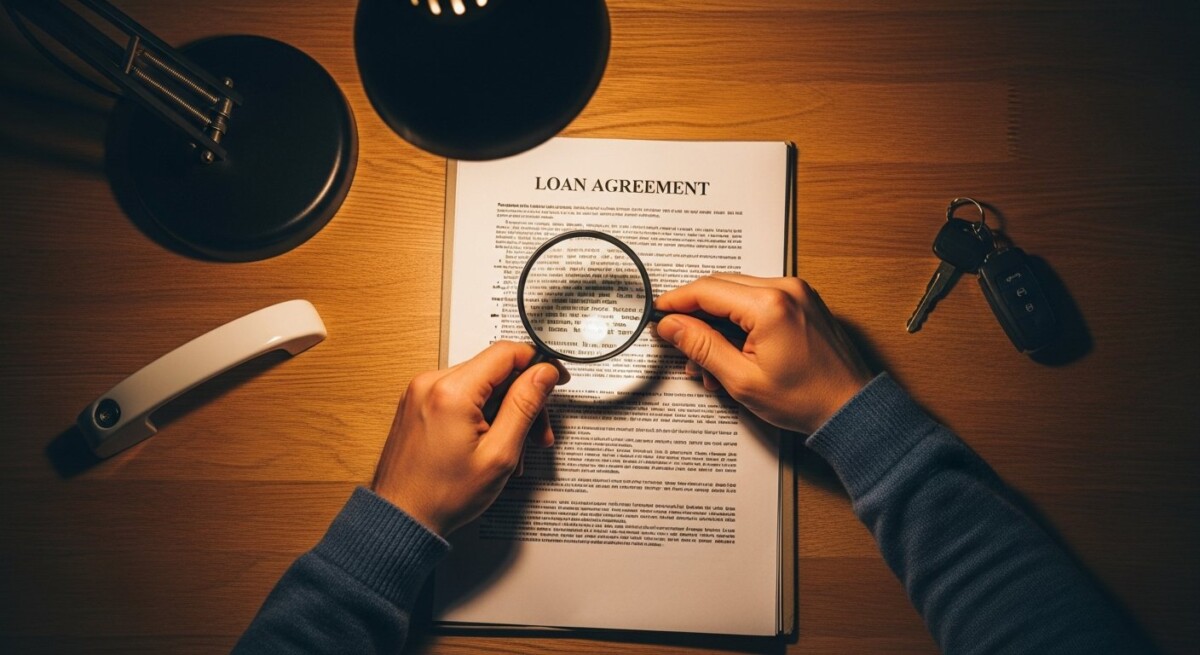
It’s crucial to understand all costs before accepting a loan. The total cost includes the interest rate and any fees. Always read the loan agreement carefully so you know exactly what you will owe.
Key terms to look for are the Annual Percentage Rate (APR), which shows the total yearly cost, and the repayment schedule. Know when your first payment is due and if there are penalties for paying the loan off early. For more on how credit affects your options, our guide on getting a cash loan with bad credit explains important factors.
Loan terms can vary between lenders. Check available loan offers or call to review possible options.
Tips for Choosing the Right Loan Option
Taking a little time to research can lead to a better borrowing experience. Look for a loan that solves your immediate need without creating long-term financial stress. The right option fits comfortably within your budget.
Useful tips include:
- Review and compare repayment terms from multiple lenders.
- Borrow only the amount you absolutely need to cover your emergency.
- Plan exactly how you will make each payment before you accept the loan.
- Ensure the lender is transparent about all fees and costs.
Responsible Borrowing and Financial Planning
Short-term loans are tools for specific situations, not long-term financial plans. Responsible borrowing means using them for true needs and having a clear payoff strategy. This helps you avoid a cycle of debt.
Always consider how the new loan payment fits into your monthly business and personal budget. If possible, build a small emergency fund over time so you rely less on borrowing for future surprises. The goal is to use credit wisely to support your business, not hinder it.
Can self-employed people with bad credit get a loan?
Yes, it is possible. Some lenders focus on your current income and bank activity rather than just your credit score. You may explore options like secured loans or lenders that specialize in alternative credit decisions.
What documents do I need to prove my income?
Common documents include bank statements from the last 2-3 months, recent tax returns (especially Schedule C), 1099 forms from clients, and profit & loss statements you generate for your business.
How quickly can I get the money?
With online lenders, if you are approved, funding can sometimes happen as soon as the same business day or within 24-48 hours after acceptance. The speed depends on the lender and your bank.
Are loans for self-employed more expensive?
Not necessarily. Rates are based on your credit profile and the lender’s assessment of risk. If you can show strong, consistent income, you may qualify for rates similar to traditional employees.
Will applying for a loan hurt my credit score?
Most lenders will do a “soft” credit check for an initial offer, which does not affect your score. A “hard” inquiry, which can slightly lower your score, typically only happens when you formally accept a specific loan offer.
What’s the difference between a personal loan and a business loan?
A personal loan is based on your personal credit and income, while a business loan is based on your business’s credit and finances. For new or solo entrepreneurs, a personal loan is often easier to qualify for.
Facing a financial gap can be stressful when you work for yourself. By understanding your options and comparing what different lenders offer, you can find a short-term solution that helps you move forward. Always review the terms carefully and choose the path that best supports your immediate need and your long-term financial health.

About David Wheeler
Related Posts