
Emergency Loan Options When Your Car Is Totaled and Insurance Is Pending
Find emergency loan options when your car is totaled and insurance is pending. Bridge the gap for a rental or down payment without over-borrowing.

By Levi Parker
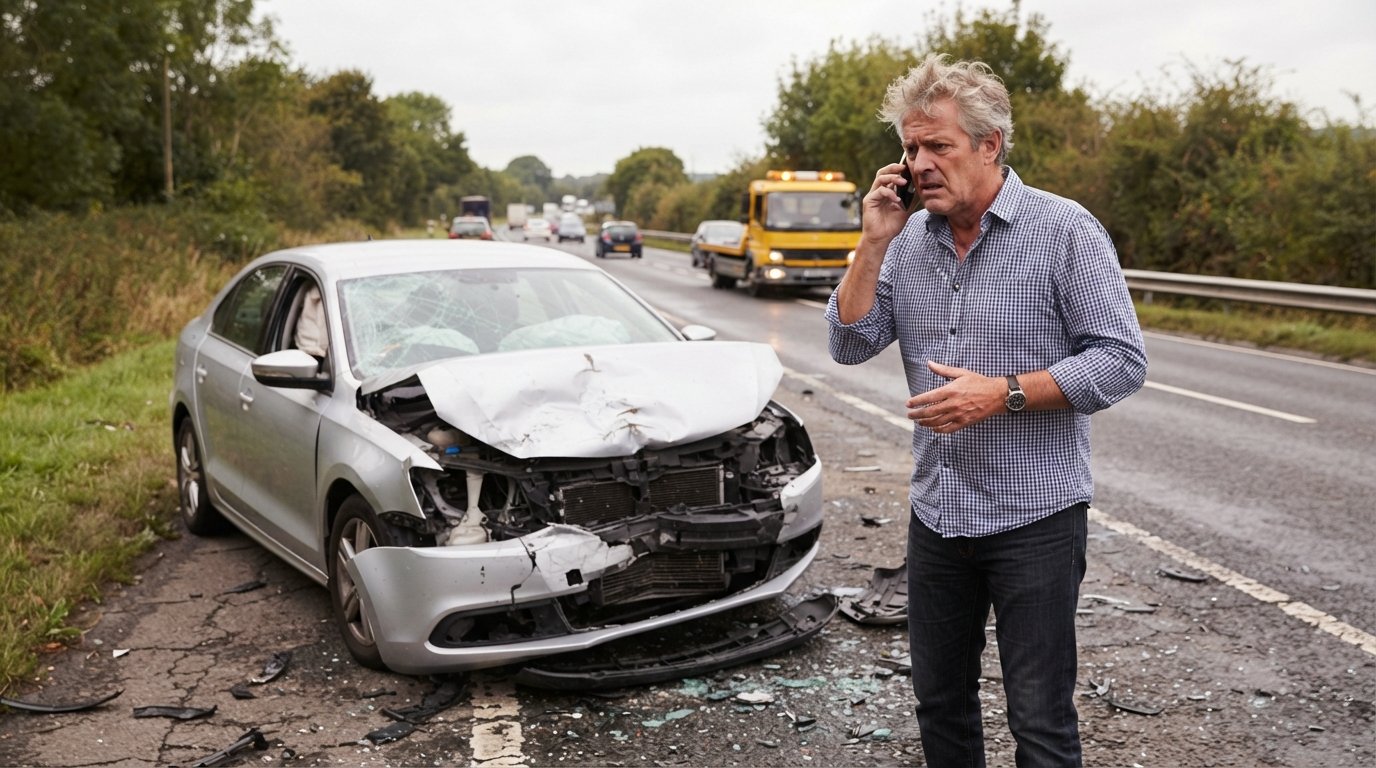
The screech of brakes, the crunch of metal, and then the sickening realization that your car is beyond repair. Your mind races: how will you get to work tomorrow? How will you pick up the kids? And the biggest question of all, how long will it take for the insurance check to arrive? In the chaotic days after a total loss, the gap between what your insurer will eventually pay and what you need right now can feel like a chasm. That is where emergency loan options when your car is totaled and insurance is pending become not just a financial tool, but a lifeline. This guide is designed to help you navigate that uncertain period with clarity, so you can secure the funds you need without creating a long-term debt trap.
Understanding the Financial Gap After a Total Loss
When your car is declared a total loss, the insurance payout is intended to cover the actual cash value (ACV) of your vehicle, minus your deductible. However, that payout rarely arrives overnight. The claims process involves an adjuster's inspection, valuation, and sometimes negotiation, which can stretch from a few days to several weeks. Meanwhile, you are immediately responsible for costs that do not wait for a check: a rental car, a replacement vehicle's down payment, towing and storage fees, and even the remaining balance on your auto loan if the payout is less than what you owe. This creates a temporary but very real cash flow crisis.
The key to managing this gap is to estimate it as accurately as possible. Start by getting a realistic sense of your car's actual cash value using online valuation tools and comparing similar listings in your area. Subtract your deductible and any outstanding loan balance or lease payoff. Then, subtract that net figure from the cost of a suitable replacement vehicle plus the immediate expenses you are accruing. The difference is your funding gap. Keeping this number in mind will help you avoid borrowing more than necessary, which is crucial for keeping the loan small and short-term.
For many drivers, the gap is modest, perhaps a few thousand dollars, but it must be bridged quickly. This is where a targeted emergency loan can help. Unlike a general personal loan, you want a product that is fast, flexible, and sized to your specific shortfall. Online loan connection services like Best Emergency Loans: Fast Approval When You Need It can help you compare offers from multiple lenders in one place, streamlining the search for a small, short-term loan that fits your situation.
Immediate Costs That Cannot Wait for the Insurance Check
The moment your car is towed away, a clock starts ticking on several expenses. First, you need mobility. A rental car can cost $30 to $100 per day, depending on your location and vehicle type. Some insurance policies include rental reimbursement, but that coverage is often capped and may only apply after a waiting period. If you do not have that coverage, or if the cap is low, you could be paying out of pocket for weeks. Second, there is the down payment on a replacement vehicle. Even if you plan to use the insurance payout later, you may need cash upfront to secure a car now, especially if you need a vehicle to get to work and cannot wait for the claim to settle.
Third, there are the incidentals: towing and storage fees that can accumulate daily, the cost of a rental car, and possibly the remaining payments on your totaled vehicle if your insurance payout does not fully cover the loan or lease balance. These are the expenses that make an emergency loan necessary. To keep your borrowing needs minimal, consider these strategies:
- Ask your insurer if they can expedite a partial payment for rental costs or a down payment, especially if liability is clear.
- Check whether your policy includes rental reimbursement and what the daily limit is.
- Explore short-term rental options like peer-to-peer car sharing, which can be cheaper than traditional rental agencies.
- If you have gap insurance, it may cover the difference between your car's ACV and your loan balance, reducing your out-of-pocket obligation.
By understanding these costs early, you can approach a lender with a clear, specific request. Lenders are more likely to approve a small, well-defined loan than a vague request for a large sum. Remember that the goal is to borrow only what you need to cover these immediate expenses, not to finance a lifestyle upgrade or a more expensive car than your insurance payout will support.
How to Estimate Your Funding Gap and Borrow Accordingly
Before you apply for any loan, take a few minutes to calculate your funding gap. This simple exercise can save you from over-borrowing and help you choose the right loan amount. Start by gathering three numbers: the expected insurance payout (ACV minus deductible), the cost of a replacement vehicle that meets your needs, and the immediate expenses you are facing (rental, towing, down payment). Subtract the insurance payout from the sum of the replacement cost and immediate expenses. The result is your funding gap.
For example, suppose your insurer values your car at $8,000, and your deductible is $500, so you expect a $7,500 payout. You find a suitable replacement for $10,000, and you need $1,000 for a rental car and other costs while you shop. Your total need is $11,000, and your funding gap is $3,500. In this scenario, you would aim to borrow around $3,500, not $10,000, because the insurance payout will cover the rest. Keeping the loan small reduces your monthly payments and the total interest you pay.
It is also wise to keep the loan term as short as possible. Since you expect the insurance payout within a few weeks or months, a short-term loan of 3 to 6 months will likely suffice. Avoid longer terms that may extend beyond your payout and cost you more in interest. When you use a connection service like LendersCashLoan, you can specify the amount and term you need, and the service will match you with lenders who may offer those terms. This targeted approach increases your chances of finding a loan that fits your budget and timeline.
Emergency Loan Options When Your Car Is Totaled and Insurance Is Pending
When you need cash fast but your insurance claim is still open, several loan types can bridge the gap. Each has its own characteristics, and the best choice depends on your credit profile, income, and how quickly you need funds. Here are the main options to consider:
- Payday loans: Small, short-term loans typically due on your next payday. They are fast but come with high fees, so they are best for very short gaps and small amounts.
- Installment loans: Personal loans repaid in fixed monthly installments over a few months to a year. They offer more predictable payments and may be available to borrowers with less-than-perfect credit.
- Cash advances: Similar to payday loans but may be offered by different lenders; they provide a quick influx of cash but should be used cautiously due to fees.
- Credit union or bank small loans: Some financial institutions offer small, short-term loans with lower interest rates, though approval may take longer and require membership.
- Online loan connection services: Platforms like LendersCashLoan that match you with multiple lenders in one request, saving time and increasing your chances of finding a suitable offer.
Among these, online loan connection services are particularly well-suited to the urgency of a totaled car situation. They allow you to submit a single request and receive offers from multiple lenders, often within minutes. This is especially helpful if you have bad credit or a thin credit file, as you can see which lenders are willing to work with you without having to apply individually. LendersCashLoan is a free service that connects you with a network of independent third-party lenders who may offer payday loans, personal loans, and installment loans ranging from $100 to $5,000. The service is not a lender itself and does not make credit decisions, but it provides a streamlined way to explore your options.
When evaluating offers, pay close attention to the annual percentage rate (APR), fees, and repayment terms. A loan that seems cheap upfront can become expensive if you cannot repay it on time. Aim to borrow only the amount you need to cover your immediate gap, and choose the shortest term you can comfortably afford. If you are unsure how to compare offers, the guide on fast-approval emergency loans can walk you through the key factors to consider.
Keeping the Loan Small and Short While Waiting on the Claim
The most important principle when borrowing during an insurance claim is to minimize the loan. The insurance payout is coming, so you are not financing a permanent purchase; you are bridging a temporary gap. To keep the loan small, first exhaust all other resources. Check if you have an emergency fund, borrow from a family member, or negotiate a payment plan with your rental car company or mechanic. If you must borrow, calculate your exact gap and request only that amount.
To keep the loan short, choose a term that ends shortly after you expect the insurance payout. If your claim is likely to settle in four weeks, a six-week loan may suffice. Avoid the temptation to take a longer term with lower monthly payments, as that increases the total interest you pay and may leave you with debt after the insurance money arrives. When you have the payout, consider repaying the loan early if there is no prepayment penalty. Many short-term loans allow early repayment, which can save you money.
Another way to keep the loan manageable is to communicate openly with your lender about the insurance timeline. If you inform them that you are expecting a settlement, they may be more flexible with repayment terms or offer a grace period. Some lenders specialize in working with borrowers in transitional situations, and a connection service can help you find them. For more tips on managing short-term borrowing, you can explore resources like StartPaydayLoan, which offers plain-language guides on borrowing and budgeting.
Communicating with Your Lender If the Payout Timeline Slips
Insurance claims rarely proceed exactly as planned. Adjusters may be delayed, paperwork may go missing, or the valuation may be disputed. If your payout timeline slips, do not wait until you miss a payment to contact your lender. Reach out as soon as you realize there may be a delay. Explain the situation calmly, provide any documentation you have (such as emails from the insurer), and ask if they can offer a short extension or modified payment plan. Many lenders are willing to work with borrowers who communicate proactively, especially for short-term loans.
If your lender is unresponsive or unwilling to accommodate, consider other options. You might be able to refinance the loan with another lender, although this can be difficult if your credit has been affected. Alternatively, you could use a small portion of your emergency fund or borrow from a friend to cover the payment and avoid late fees. The key is to avoid default, which can damage your credit and lead to collection actions. Remember that the insurance payout is still coming, so the delay is temporary. Keep detailed records of all communications with both your lender and your insurer, and follow up regularly to keep the process moving.
In the end, the period between a totaled car and an insurance payout is stressful, but it is manageable with the right financial tools. By estimating your gap, borrowing only what you need, and staying in close contact with your lender, you can navigate this challenge without derailing your finances. Emergency loan options when your car is totaled and insurance is pending are designed to provide a temporary safety net, not a long-term solution. Use them wisely, and you will be back on the road sooner than you think.