Emergency Payday Loans: Fast Cash When You Need It Most


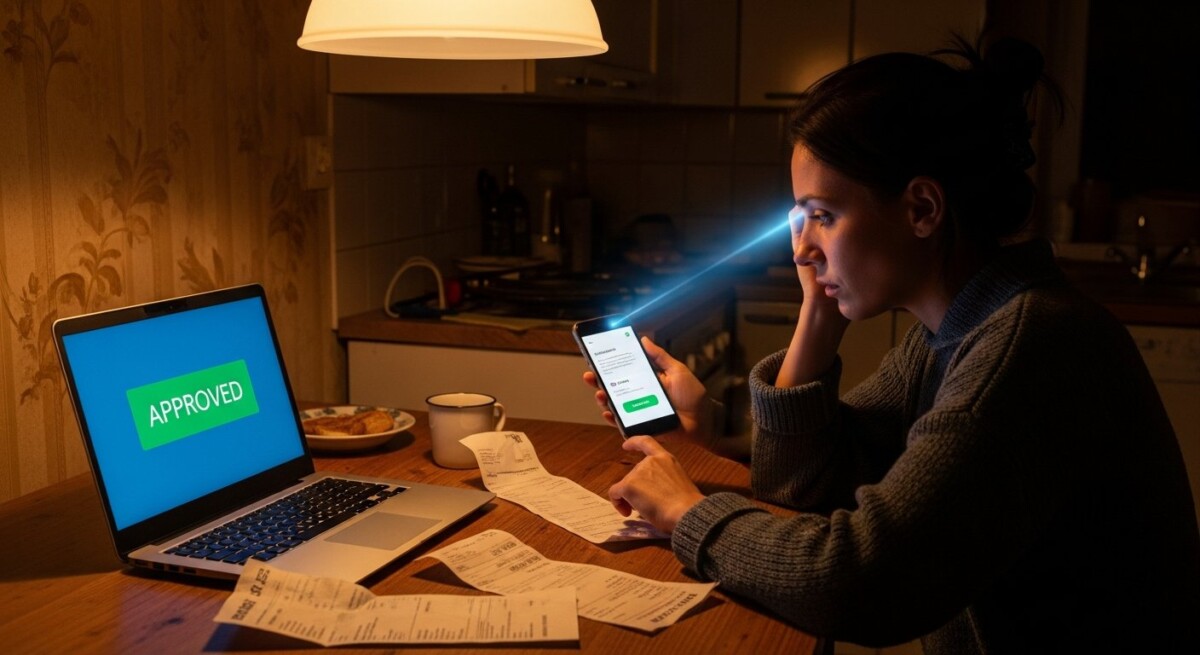
An unexpected car repair, a sudden medical bill, or a utility shut-off notice can throw your finances into turmoil. When you have no savings and your next paycheck is still days away, the stress can feel overwhelming. In these moments, emergency payday loans can provide a lifeline. These short-term loans are designed to bridge the gap until your next payday, offering quick access to cash when you need it most. But how do they work, and how can you get one responsibly? This guide breaks down everything you need to know about using payday loans for emergencies, including the application process, costs, and safer ways to borrow through a loan connection service like LendersCashLoan.
What Are Emergency Payday Loans?
Emergency payday loans are small-dollar, short-term loans typically ranging from $100 to $1,000. Unlike traditional personal loans that may take days or weeks to fund, payday loans can often be approved and deposited within one business day or even within hours. They are called payday loans because the repayment is usually due on your next pay date. You write a postdated check or authorize an electronic debit for the loan amount plus fees, and the lender cashes it on your payday.
Because these loans are meant for urgent needs, the application process is streamlined. Most lenders require minimal documentation: a valid ID, proof of income, and an active checking account. They do not typically perform a hard credit check, making them accessible to people with less-than-perfect credit. However, that convenience comes at a cost. The fees and annual percentage rates (APRs) on payday loans are significantly higher than those of conventional loans, so it is critical to understand the terms before borrowing.
LendersCashLoan operates as a loan connection service, not a direct lender. When you submit a single online request through our platform, that information is shared with a network of third-party lenders. This streamlines the process and increases your chances of finding a lender willing to offer an emergency payday loan that fits your situation. You receive offers directly from lenders, and you can compare terms before accepting.
When Should You Consider an Emergency Payday Loan?
Not every financial hiccup warrants a payday loan. Because of the high interest rates, these loans are best reserved for true emergencies where delaying could cause serious harm. Consider a payday loan only when you face one of the following scenarios:
- Unexpected medical expenses: A trip to the emergency room or an urgent dental procedure that cannot wait.
- Critical car repairs: Your vehicle is essential for commuting to work, and public transit is not an option.
- Utility disconnection: A shut-off notice for electricity, water, or heating that could lead to a health risk or reconnection fees.
- Urgent home repairs: A broken furnace in winter or a plumbing leak that threatens property damage.
In each of these cases, borrowing a small amount for a short period can prevent a larger financial disaster. However, if you can delay the expense by a week or two, it may be better to wait for your paycheck or explore other options first.
If you do decide that an emergency payday loan is the right choice, using a service like LendersCashLoan can help you find a lender quickly. Our network includes lenders who may offer fast approvals and funding. But remember: always read the loan agreement carefully, and ask about any hidden fees before signing.
How to Apply for an Emergency Payday Loan Through a Connection Service
Applying for an emergency payday loan has never been easier, thanks to online platforms that connect you with multiple lenders at once. Here is a step-by-step overview of the process when you use a connection service like LendersCashLoan:
- Complete the online form: You provide basic personal, employment, and banking information. The form takes only a few minutes.
- Submit your request: Your information is securely shared with our network of third-party lenders. Each lender reviews your details and decides whether to make an offer.
- Review offers: You receive loan offers that include the loan amount, interest rate, fees, and repayment schedule. Compare them side by side.
- Accept a loan: Once you choose an offer, you are redirected to that lender’s website to e-sign the agreement and finalize the terms.
- Receive funds: If approved, the lender deposits the money directly into your checking account, often by the next business day.
One of the biggest advantages of using a connection service is that you only submit one application instead of applying to multiple lenders individually. This saves time and reduces the number of hard inquiries on your credit report. Our platform is designed to be transparent, and we clearly state that we are not a direct lender. Our role is to facilitate the matchmaking process between you and potential lenders.
Common Requirements for Approval
While each lender sets its own criteria, most emergency payday lenders share a similar set of baseline requirements. You will generally need:
- To be at least 18 years old (or the legal age in your state).
- A steady source of income, such as a job or government benefits.
- An active checking account in your name.
- A valid government-issued ID.
- A working phone number and email address.
Many lenders do not require a traditional credit check. Instead, they may verify your income and bank account history. This is why these loans are often described as no-credit-check loans. For example, residents of certain states can explore specific options. If you live in North Dakota, you might be interested in our guide on payday loans with no credit check in North Dakota. Similarly, if you need funds quickly, same-day online payday loans in Oregon might be available through our lender network. We encourage you to check state-specific regulations as well.
Understanding the Costs and Risks
Emergency payday loans are expensive. The average APR on a two-week payday loan can range from 300% to 700% or more, depending on state laws and lender fees. To put that in perspective, a $500 loan with a $50 fee for 14 days amounts to an APR of nearly 260%. While the dollar amount may seem small, if you roll the loan over or take out another loan to pay the first one, the costs can snowball quickly.
Other risks include:
- The debt trap cycle: Many borrowers cannot repay the full amount on time and end up extending or renewing the loan, incurring additional fees each time.
- Bank overdraft fees: If the lender debits your account and you lack sufficient funds, you may face overdraft charges from your bank.
- Collection actions: Defaulting on a payday loan can lead to aggressive collection calls, wage garnishment, or legal action in some states.
To minimize these risks, always borrow only what you absolutely need and have a clear repayment plan. If you have any doubt about your ability to repay, consider alternative solutions first. It is also wise to work with a reputable connection service like LendersCashLoan that works with licensed lenders and provides clear loan terms.
Safer Alternatives to Emergency Payday Loans
Before you commit to a high-cost payday loan, explore these alternatives that may be more affordable:
- Credit union loans: Many credit unions offer small-dollar loans with lower rates, sometimes called PALs (Payday Alternative Loans).
- Payment plans: Ask your utility company, medical provider, or landlord if they can offer a payment extension or a hardship plan.
- Borrowing from family or friends: A personal loan from someone you trust may come with no interest or fees.
- Cash advance from a credit card: While still expensive, credit card cash advances often have lower APRs than payday loans.
- Local assistance programs: Nonprofit organizations and churches sometimes provide emergency financial aid or interest-free loans.
If none of these work and you still need an emergency payday loan, using a connection service can help you find the most favorable terms. We recommend comparing offers and reading the fine print. And if you are curious about whether these loans are a legitimate option, check our analysis on whether they are a legit payday loan option.
Tips for Responsible Borrowing
If you decide to proceed with an emergency payday loan, follow these best practices to protect yourself:
- Borrow the minimum amount: Only take what you need to solve the immediate emergency, not a penny more.
- Read the entire contract: Look for the APR, fee structure, repayment date, and any penalties for late or early repayment.
- Plan to repay on time: Set a reminder or mark your calendar. If possible, schedule the repayment right after your payday to avoid spending the money elsewhere.
- Avoid borrowing from multiple lenders: Taking out several payday loans at once makes repayment nearly impossible.
- Know your state laws: Some states cap interest rates or prohibit payday lending entirely. Verify that your lender is licensed to operate in your state.
When you work with LendersCashLoan, we provide educational resources to help you make informed decisions. Our FAQs and blog cover topics like the loan matching process, responsible borrowing, and understanding lender disclosures. We believe that transparency is key to using short-term loans wisely.
Emergency payday loans are a tool, not a solution to ongoing financial problems. They work best when used sparingly and for true emergencies. By understanding the costs, comparing offers, and committing to a repayment plan, you can navigate a financial crisis without falling into a debt trap. If you are ready to see what lenders may offer you, start by submitting a quick online request through LendersCashLoan. It is free to use our service, and there is no obligation to accept any offer.


About David Wheeler
Related Posts